
Getting you a comprehensive analysis of the product
Reading every ingredient in the formula…
Getting you a comprehensive analysis of the product
Reading every ingredient in the formula…
Join The Clean Sheet™ community
Science-backed beauty tips, ingredient alerts, and early access. Straight to your WhatsApp.
Join for free →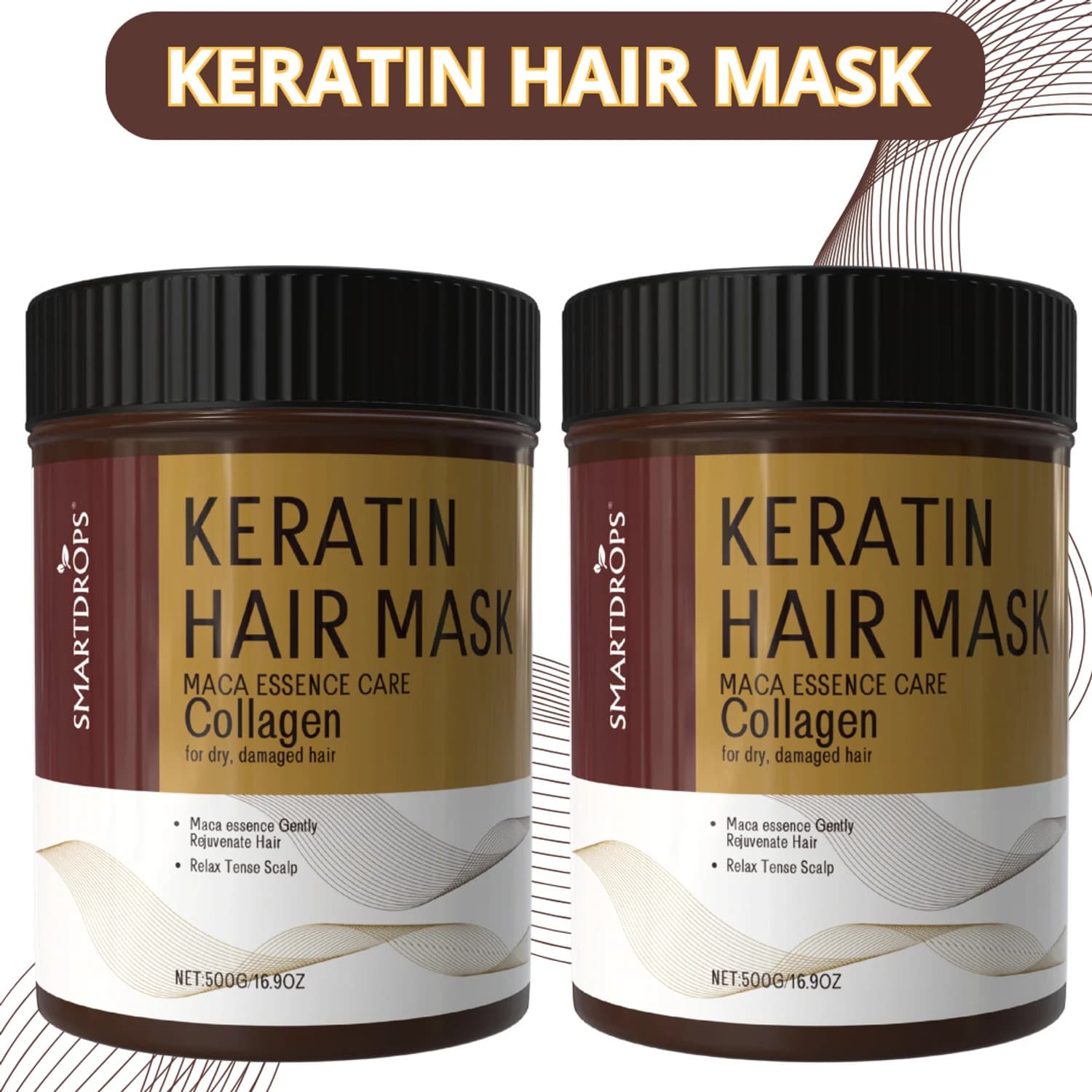
This Smartdrops hair mask is a popular, budget-friendly option for cosmetic hair conditioning, but its ambitious claims, especially around 'growth' and 'repair', outrun the publicly visible evidence and ingredient transparency.
₹111 • Analysed 23 October 2026
The Smartdrops Keratin Hair Mask is positioned as an affordable solution for common Indian hair concerns like dryness, frizz, and damage, which are exacerbated by the tropical climate and hard water. Its aggressive discounting makes it highly accessible. While claims of 'deep nourishment' and 'repairing damage' are common in the Indian market, the lack of a full INCI and finished product evidence means consumers rely on ingredient stories rather than proven efficacy for this specific product. The 'promotes growth' claim, appearing on a marketplace, is ambitious for a rinse-off mask and would typically require robust clinical backing to meet ASCI standards, which is not visible here. The brand's transparency around ingredients is minimal, which is a common challenge in the budget segment of the Indian beauty market.
Independent and free. The Clean Sheet takes no money from brands to analyse, rank, or approve a product. This is a web evidence analysis, not a Clean Sheet certification. We checked the ingredient list, publicly available test reports, marketing claims, and formula logic using only public information available at the time of analysis.
Claims are supported by the presence of conditioning ingredients like Shea Butter, Aloe Vera, and Coconut (partially disclosed INCI), and the product type (hair mask). However, no finished product testing is publicly visible to substantiate 'deep nourishment' or 'repairing hair damage' for this specific product.
Hair masks generally help with frizz and dryness due to their conditioning nature. Partial ingredient disclosure mentions Shea Butter, Aloe Vera, and Coconut, which are known emollients and humectants. No finished product test results are publicly visible.
This is a common claim for general conditioning products. Without a full INCI, it's difficult to assess potential heavy ingredients that might weigh down fine hair, but generally, hair masks are formulated for broad suitability.
A reviewer mentions the product is paraben-free based on the ingredient list on the pack. Without the full INCI, sulfate-free cannot be fully verified, but it's a common formulation choice for hair masks.
Hydration and detangling are primary functions of a hair mask. Ingredients like Shea Butter, Aloe Vera, and Coconut (partially disclosed) support these claims. No specific test data is available.
These are typical benefits of a hair mask, especially one claiming Keratin and Collagen. The partially disclosed ingredients (Shea Butter, Aloe Vera, Coconut, Keratin, Collagen, Maca Essence) are known for these properties. No finished product evidence is publicly visible.
This is a common and achievable outcome for a well-formulated hair mask. User reviews generally support these sensory benefits.
These ingredients are explicitly mentioned on the brand's website and other listings. Keratin and Collagen are common in hair repair products. Maca Essence is also claimed.
What we could confirm from public sources and the verified ingredient list.
Standards & Compliance
Usage warnings and directions are clear on the label.
Screened against a curated reference set that we are continuing to verify and expand, so “clear” means no flag from that set, not a guarantee. Not a substitute for a full toxicological or clinical assessment.
| Ingredient |
|---|
INCI order as declared on packaging. Position reflects approximate concentration (high to low).
No prohibited or restricted ingredients identified based on partial disclosure.
Full INCI disclosure is mandatory on label, but not publicly available online. No prohibited or restricted ingredients identified based on partial disclosure.
No prohibited or restricted ingredients identified based on partial disclosure.
No prohibited or restricted ingredients identified based on partial disclosure.
No prohibited or restricted ingredients identified based on partial disclosure.
No prohibited or restricted ingredients identified based on partial disclosure.
No prohibited or restricted ingredients identified based on partial disclosure.
No prohibited or restricted ingredients identified based on partial disclosure.
No prohibited or restricted ingredients identified based on partial disclosure.
No prohibited or restricted ingredients identified based on partial disclosure.
Flags are based on publicly available INCI only. Not a substitute for full regulatory compliance assessment.
Claims are supported by the presence of conditioning ingredients like Shea Butter, Aloe Vera, and Coconut (partially disclosed INCI), and the product type (hair mask). However, no finished product testing is publicly visible to substantiate 'deep nourishment' or 'repairing hair damage' for this specific product.
Mentioned only
Hair masks generally help with frizz and dryness due to their conditioning nature. Partial ingredient disclosure mentions Shea Butter, Aloe Vera, and Coconut, which are known emollients and humectants. No finished product test results are publicly visible.
Mentioned only
This is a common claim for general conditioning products. Without a full INCI, it's difficult to assess potential heavy ingredients that might weigh down fine hair, but generally, hair masks are formulated for broad suitability.
Missing
A reviewer mentions the product is paraben-free based on the ingredient list on the pack. Without the full INCI, sulfate-free cannot be fully verified, but it's a common formulation choice for hair masks.
Missing
Hydration and detangling are primary functions of a hair mask. Ingredients like Shea Butter, Aloe Vera, and Coconut (partially disclosed) support these claims. No specific test data is available.
Mentioned only
These are typical benefits of a hair mask, especially one claiming Keratin and Collagen. The partially disclosed ingredients (Shea Butter, Aloe Vera, Coconut, Keratin, Collagen, Maca Essence) are known for these properties. No finished product evidence is publicly visible.
Mentioned only
This is a common and achievable outcome for a well-formulated hair mask. User reviews generally support these sensory benefits.
Mentioned only
These ingredients are explicitly mentioned on the brand's website and other listings. Keratin and Collagen are common in hair repair products. Maca Essence is also claimed.
Mentioned only
This claim appears on a Meesho listing for a 'Keratin Cream Hair Mask for Promotes growth'. Hair masks are typically rinse-off products with limited contact time, making 'growth promotion' a very ambitious claim without strong clinical evidence on the finished product. No such evidence is publicly visible.
Missing
Improved conditioning and smoothness from a hair mask can indirectly lead to reduced breakage by making hair less prone to tangling and friction. The presence of Keratin and conditioning agents supports this. No finished product evidence is publicly visible.
Mentioned only
Public evidence the brand could provide to close verification gaps
This analysis evaluates brand claims against visible evidence and formula logic. It does not replace a full ingredient safety analysis or a clinical product test. Results vary by individual, and the consumer should always read the full ingredient list and follow usage guidance.
Are you the brand? If you have published test data or want to request a re-analysis, write to us at hello@thecleansheet.in.
