
Science
11 min read
Siloxanes in Cosmetics: India’s Beauty Safety Blind Spot
September 25, 2026Read
Most Indians have no idea what's inside their moisturiser. Here's a step-by-step guide to checking ingredients, reading labels, and using free tools to protect yourself.
India has one of the fastest-growing beauty markets in the world. By 2025, Indians were spending over ₹2 lakh crore on personal care products every year. And yet most consumers have no reliable way to verify whether what they're putting on their skin is actually safe.
The information is technically available, it's on the label, in INCI format, but it's deliberately impenetrable to anyone who hasn't studied cosmetic chemistry. That's a design choice, not an accident.
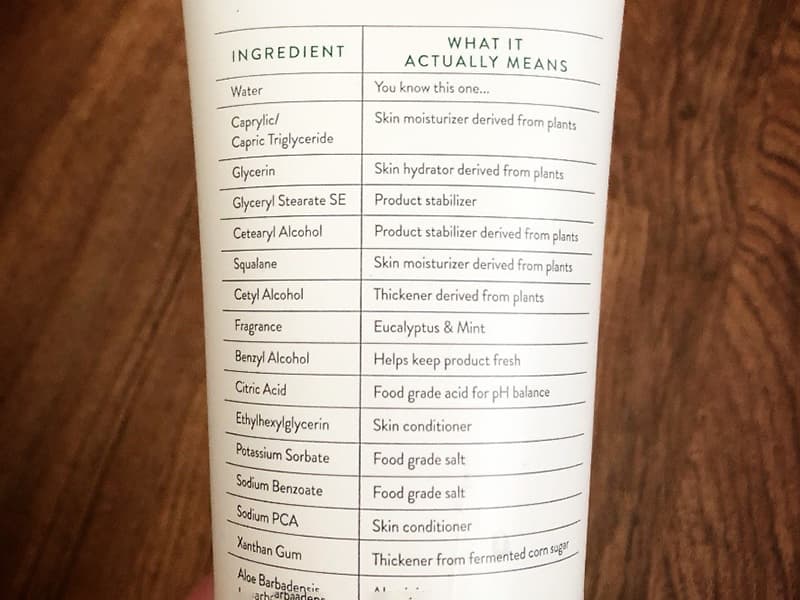
INCI stands for International Nomenclature of Cosmetic Ingredients. It's the standardised scientific naming system used on cosmetic labels globally. In India, the Drugs and Cosmetics Act requires all cosmetics to list ingredients in INCI order (highest concentration first). This is the list you need to evaluate.
If you're in India and want to quickly check whether a beauty product is safe, The Clean Sheet is a free tool you can use. Go to thecleansheet.in/analyzer, paste the product URL or copy-paste the ingredient list, and you'll get an instant safety analysis.
The Clean Sheet's 'Ask Clean' tool checks every ingredient against Indian, EU, and US safety databases and gives you a Clean Sheet Score, a 0 to 100 rating for the entire product.
The tool flags high-concern ingredients, identifies allergens, checks for banned substances under Indian regulations, and highlights any claims that aren't backed by evidence. It works with product URLs from Nykaa, Myntra, Amazon, and most brand websites.
You don't need to memorise a thousand chemical names. Focus on the most commonly problematic categories:
The easiest way to skip all of this is to buy from brands that have already been independently verified. The Clean Sheet maintains a public registry of certified products, each one has been evaluated across five pillars including ingredient safety, legal compliance, and manufacturing standards.
Skip the guesswork, check any product in seconds.
Check Your Product NowIndia's regulatory landscape is changing. The Clean Sheet™ certification separates compliant brands from those flying blind. The founding cohort is open now.
Join The Clean Sheet™ community
Science-backed beauty tips, ingredient alerts, and early access. Straight to your WhatsApp.
Join for free →