Getting you a comprehensive review of the product
Reading every ingredient in the formula…
Getting you a comprehensive review of the product
Reading every ingredient in the formula…
Join The Clean Sheet™ community
Science-backed beauty tips, ingredient alerts, and early access. Straight to your WhatsApp.
Join for free →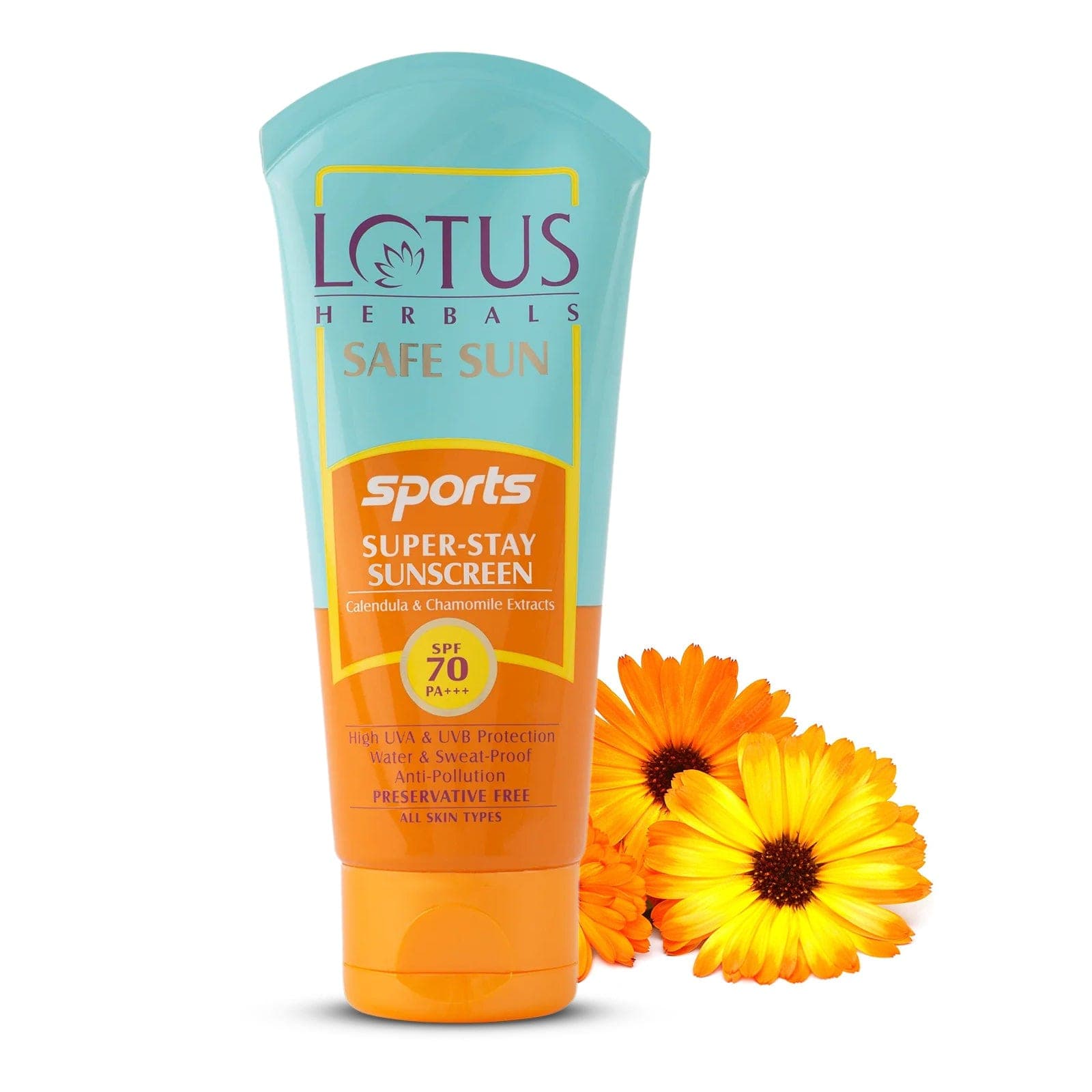
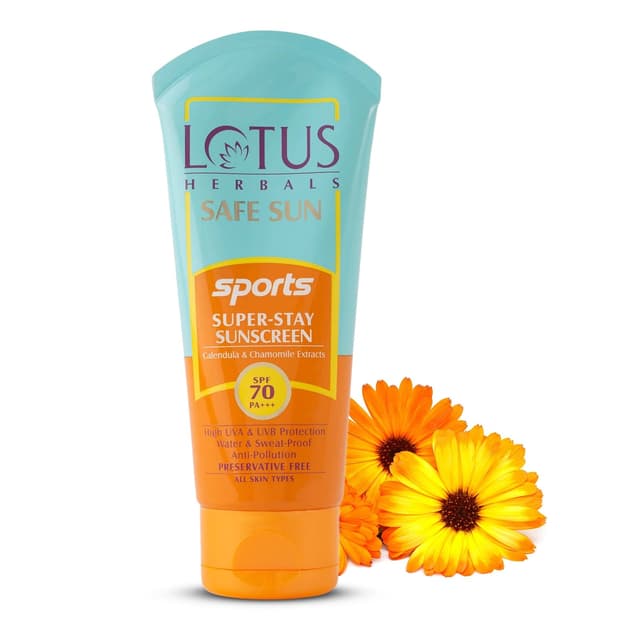
Lotus Herbals' highest SPF offering in the Safe Sun range at SPF 70 PA+++. The higher SPF is achieved through a higher UV filter load versus the SPF 50 formula - but UV filter identities are not published on any reviewed labelling or brand documentation. PA+++ (PPD >= 8) remains below the PA++++ standard increasingly recommended for Indian conditions. Contains synthetic fragrance in a leave-on product reapplied every two hours. The combination of undisclosed UV filters at elevated concentrations (required for SPF 70) and synthetic fragrance makes this the product in the range with the most significant safety information gaps.
₹499 · ₹10/g • Analysed 11 June 2026
SPF 70 is appropriate for extended outdoor use - beach, trekking, sport, and fieldwork. The PA+++ UVA protection is less ideal for India's strong year-round UVA; PA++++ is increasingly the recommendation for melanin-rich skin at risk of post-inflammatory hyperpigmentation. Reapply every 2 hours in direct sun regardless of SPF value.
Independent and free. The Clean Sheet takes no money from brands to review, rank, or approve a product. This is a web evidence review, not a Clean Sheet certification. We checked the ingredient list, publicly available test reports, marketing claims, and formula logic using only public information available at the time of review.
Stated on packaging. No in-vivo SPF test certificate is publicly accessible. SPF 70 is an unusually high claim that requires independent verification.
Claimed on packaging. UV filter identities not disclosed; photostability and actual in-wear UVA protection cannot be independently assessed.
How we read this product across 5 areas. Open any row for the full rationale.
SPF 70 PA+++ chemical sunscreen where UV filter identities are not disclosed anywhere publicly. At SPF 70, a higher filter load (concentration or number of filters) is required compared to SPF 50 - increasing potential exposure to whichever filters are used. Several widely used chemical UV filters including oxybenzone and homosalate are classified or under active regulatory review as potential endocrine disruptors in the US FDA and EU regulatory systems. Without filter disclosure, their presence cannot be ruled out. This is the most serious safety information gap in the Lotus Herbals range reviewed. Synthetic fragrance in a leave-on product reapplied every two hours represents the highest possible daily fragrance exposure for any skincare product category.
SPF 70 delivers marginally more UVB protection than SPF 50 (blocks approximately 98.6% vs 98% of UVB). The incremental benefit over SPF 50 for most use cases is small. PA+++ UVA coverage is adequate but PA++++ is the increasingly recommended standard for Indian UV conditions and melanin-rich skin. Without knowing the UV filter combination, photostability cannot be evaluated - and at SPF 70 concentrations, filter-filter interactions and photodegradation become more significant concerns. Avobenzone without a stabiliser at elevated concentrations would lose UVA protection rapidly during outdoor wear.
SPF 70 is an unusually high claim for an Indian OTC cosmetic product. Without a published in-vivo SPF test certificate, it cannot be independently verified. UV filter identities - the core actives responsible for the SPF 70 claim - are not disclosed on any publicly accessible source. PA+++ is claimed but the PPD methodology and test data are not published. No clinical or photobiological data is linked from the product page. This is a fundamental transparency failure on the most important product function.
“SPF 70” Stated on packaging. No in-vivo SPF test certificate is publicly accessible. SPF 70 is an unusually high claim that requires independent verification.
“PA+++ UVA protection” Claimed on packaging. UV filter identities not disclosed; photostability and actual in-wear UVA protection cannot be independently assessed.
No SPF test certificate, no PA test result, no UV filter photostability data, no preservative efficacy test, and no independent safety assessment is publicly accessible. SPF 70 is the highest protection claim in the Lotus Herbals range and correspondingly requires the strongest evidence - but receives the weakest disclosure. The claim is supported only by the brand's packaging statement.
Basic usage instructions are present. However, UV filter identities are not communicated - consumers cannot make an informed decision about their daily chemical exposure from this product. No fragrance allergen breakdown. The marginal benefit of SPF 70 over SPF 50 is not contextualised. PA+++ is not flagged as below the PA++++ level recommended for India's UV environment. Reapplication guidance is standard.
| Ingredient |
|---|
Aqua |
Chemical UV Filters |
Glycerin |
Phenoxyethanol |
Fragrance |
INCI order as declared on packaging. Position reflects approximate concentration (high to low).
UV filter identities not disclosed - Annex VI compliance unverifiable at elevated SPF 70 filter load
UV filter identities not disclosed - Schedule S compliance unverifiable
UV filter identities not disclosed - presence of listed substances cannot be confirmed or excluded
UV filter identities not disclosed - OTC monograph compliance unverifiable
UV filter identities not disclosed
No obvious SVHC flag from available partial INCI
No carcinogenicity flag from available partial INCI
Not triggered
UV filter identities not disclosed - scheduling compliance unverifiable
Not triggered
Flags are based on publicly available INCI only. Not a substitute for full regulatory compliance review.
Stated on packaging. No in-vivo SPF test certificate is publicly accessible. SPF 70 is an unusually high claim that requires independent verification.
Missing
Claimed on packaging. UV filter identities not disclosed; photostability and actual in-wear UVA protection cannot be independently assessed.
Missing
Public evidence the brand could provide to close verification gaps
SPF 70 is a significant protection claim - and the brand provides zero public evidence to support it. Not disclosing UV filter identities in a sunscreen is the worst transparency failure a sunscreen brand can make, and it is compounded here by the elevated filter load needed to achieve SPF 70. Consumers applying this product twice daily to their face have no information about what chemical UV filters they are being exposed to.
Are you the brand? If you have published test data or want to request a re-review, write to us at hello@thecleansheet.in.
How we read this product across 5 areas. Open any row for the full rationale.
SPF 70 PA+++ chemical sunscreen where UV filter identities are not disclosed anywhere publicly. At SPF 70, a higher filter load (concentration or number of filters) is required compared to SPF 50 - increasing potential exposure to whichever filters are used. Several widely used chemical UV filters including oxybenzone and homosalate are classified or under active regulatory review as potential endocrine disruptors in the US FDA and EU regulatory systems. Without filter disclosure, their presence cannot be ruled out. This is the most serious safety information gap in the Lotus Herbals range reviewed. Synthetic fragrance in a leave-on product reapplied every two hours represents the highest possible daily fragrance exposure for any skincare product category.
SPF 70 delivers marginally more UVB protection than SPF 50 (blocks approximately 98.6% vs 98% of UVB). The incremental benefit over SPF 50 for most use cases is small. PA+++ UVA coverage is adequate but PA++++ is the increasingly recommended standard for Indian UV conditions and melanin-rich skin. Without knowing the UV filter combination, photostability cannot be evaluated - and at SPF 70 concentrations, filter-filter interactions and photodegradation become more significant concerns. Avobenzone without a stabiliser at elevated concentrations would lose UVA protection rapidly during outdoor wear.
SPF 70 is an unusually high claim for an Indian OTC cosmetic product. Without a published in-vivo SPF test certificate, it cannot be independently verified. UV filter identities - the core actives responsible for the SPF 70 claim - are not disclosed on any publicly accessible source. PA+++ is claimed but the PPD methodology and test data are not published. No clinical or photobiological data is linked from the product page. This is a fundamental transparency failure on the most important product function.
“SPF 70” Stated on packaging. No in-vivo SPF test certificate is publicly accessible. SPF 70 is an unusually high claim that requires independent verification.
“PA+++ UVA protection” Claimed on packaging. UV filter identities not disclosed; photostability and actual in-wear UVA protection cannot be independently assessed.
No SPF test certificate, no PA test result, no UV filter photostability data, no preservative efficacy test, and no independent safety assessment is publicly accessible. SPF 70 is the highest protection claim in the Lotus Herbals range and correspondingly requires the strongest evidence - but receives the weakest disclosure. The claim is supported only by the brand's packaging statement.
Basic usage instructions are present. However, UV filter identities are not communicated - consumers cannot make an informed decision about their daily chemical exposure from this product. No fragrance allergen breakdown. The marginal benefit of SPF 70 over SPF 50 is not contextualised. PA+++ is not flagged as below the PA++++ level recommended for India's UV environment. Reapplication guidance is standard.
Not quite. Safe Sun UV Screen Sunblock SPF 70 PA+++ is rated "Room to Improve" by The Clean Sheet — we found real concerns a buyer should weigh, such as unproven claims or transparency gaps. Lotus Herbals' highest SPF offering in the Safe Sun range at SPF 70 PA+++. The higher SPF is achieved through a higher UV filter load versus the SPF 50 formula - but UV filter identities are not published on any reviewed labelling or brand documentation. PA+++ (PPD >= 8) remains below the PA++++ standard increasingly recommended for Indian conditions. Contains synthetic fragrance in a leave-on product reapplied every two hours. The combination of undisclosed UV filters at elevated concentrations (required for SPF 70) and synthetic fragrance makes this the product in the range with the most significant safety information gaps.
Our verdict is "Room to Improve". SPF 70 is a significant protection claim - and the brand provides zero public evidence to support it. Not disclosing UV filter identities in a sunscreen is the worst transparency failure a sunscreen brand can make, and it is compounded here by the elevated filter load needed to achieve SPF 70. Consumers applying this product twice daily to their face have no information about what chemical UV filters they are being exposed to.
We checked 2 on-pack claims: 0 of 2 are publicly supported, 2 are not publicly supported. For example, "SPF 70" — not publicly supported.
No. Safe Sun UV Screen Sunblock SPF 70 PA+++ contains synthetic fragrance (Parfum) in its ingredient list — worth noting if you have sensitive or fragrance-reactive skin.
Safe Sun UV Screen Sunblock SPF 70 PA+++ retails for ₹449-₹499 in India. It targets high sun protection, outdoor activities.