Getting you a comprehensive review of the product
Reading every ingredient in the formula…
Getting you a comprehensive review of the product
Reading every ingredient in the formula…
Join The Clean Sheet™ community
Science-backed beauty tips, ingredient alerts, and early access. Straight to your WhatsApp.
Join for free →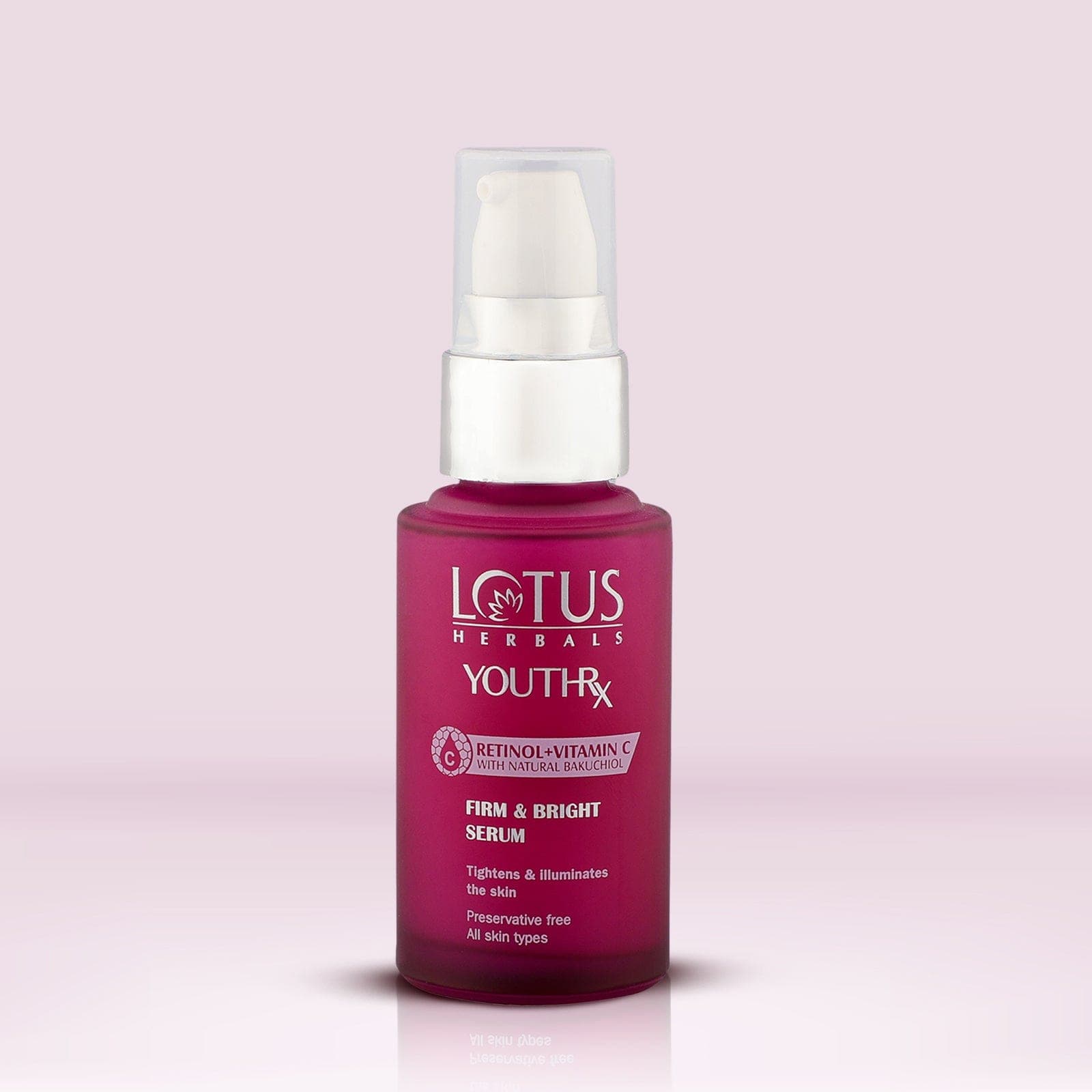
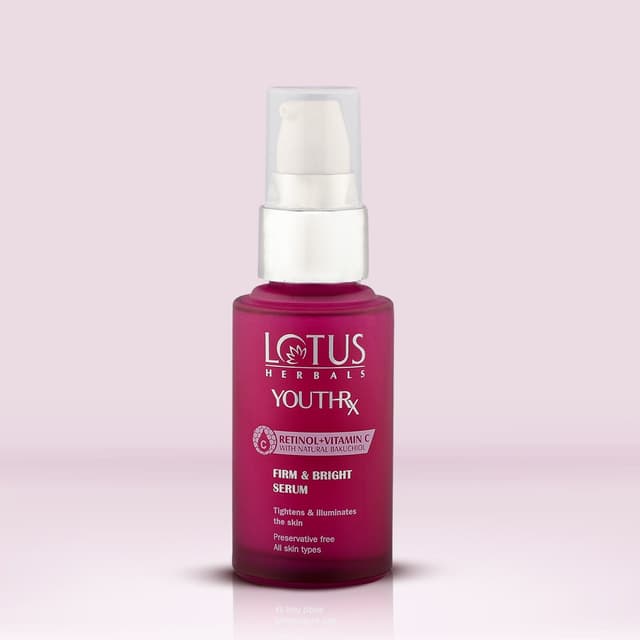
A dual-action brightening and anti-ageing serum combining Vitamin C, Hyaluronic Acid, Niacinamide, and Retinol in a single product. The multi-active approach is ambitious: combining Retinol and Vitamin C in one formula presents formulation stability challenges unless specific pH stabilisation strategies are employed. If the formula pH is calibrated for Retinol stability (~5.5-6), it may not be optimal for L-ascorbic acid efficacy (typically below 3.5). Without knowing the Vitamin C form, stability cannot be assessed. All active forms and concentrations are undisclosed. Contains synthetic fragrance. The Retinol pregnancy contraindication is not consistently communicated in marketing.
₹799 · ₹27/ml • Analysed 11 June 2026
Multi-active serums combining Retinol and Vitamin C appeal to consumers wanting a simplified routine. The formulation stability challenge is real - always patch test first. For those who prefer separate actives, using Vitamin C AM and Retinol PM is the evidence-backed approach. Retinol users must use SPF daily.
Independent and free. The Clean Sheet takes no money from brands to review, rank, or approve a product. This is a web evidence review, not a Clean Sheet certification. We checked the ingredient list, publicly available test reports, marketing claims, and formula logic using only public information available at the time of review.
Vitamin C form not disclosed. Without the chemical identity, stability at the formula's pH (which is also undisclosed) cannot be assessed. Efficacy claim cannot be evaluated.
Retinol is named. Concentration not disclosed. At low concentrations, retinol efficacy is limited; at high concentrations, irritation risk increases. No finished-product study is publicly available.
Niacinamide is named. Concentration not disclosed. Published brightening evidence exists for niacinamide above 5%; below that, effect is limited. Cannot confirm functional dose from public data.
How we read this product across 5 areas. Open any row for the full rationale.
Retinol carries a well-established pregnancy contraindication - this is not communicated consistently in the brand's marketing materials. Vitamin C and Retinol at high concentrations in a single leave-on formula can cause irritation synergy, particularly for sensitive skin. Without full INCI, the Vitamin C form cannot be identified - if L-ascorbic acid at high pH (adjusted for Retinol), it can cause oxidative irritation. Synthetic fragrance in a leave-on serum provides no functional benefit and carries sensitisation risk. Full INCI is not published, preventing a complete regulatory screen.
Combining Vitamin C, Retinol, Niacinamide, and Hyaluronic Acid in a single formula is technically complex - each active has different stability pH optima. L-ascorbic acid requires pH below 3.5 for stability; Retinol is optimally stable at approximately 5.5-6; Niacinamide can form nicotinic acid with L-ascorbic acid at elevated temperatures. Without knowing the Vitamin C form, Retinol concentration, or formula pH, there is no way to assess whether these actives are delivered at efficacious or even stable concentrations. The concept cannot be credited without disclosure. The formula may work well in practice, but public evidence cannot confirm it.
A serum marketed on four actives (Vitamin C, Retinol, Niacinamide, HA) discloses the form or concentration of none of them. This is the most significant active disclosure gap in the Lotus Herbals range reviewed. Retinol's pregnancy contraindication is not consistently communicated, which is a safety communication failure beyond a transparency issue. No published clinical data for this formula. Full INCI not published. The multi-active positioning cannot be evaluated without any of the basic active identity disclosures.
“Vitamin C brightening” Vitamin C form not disclosed. Without the chemical identity, stability at the formula's pH (which is also undisclosed) cannot be assessed. Efficacy claim cannot be evaluated.
“Retinol anti-ageing” Retinol is named. Concentration not disclosed. At low concentrations, retinol efficacy is limited; at high concentrations, irritation risk increases. No finished-product study is publicly available.
“Niacinamide brightening and anti-inflammatory” Niacinamide is named. Concentration not disclosed. Published brightening evidence exists for niacinamide above 5%; below that, effect is limited. Cannot confirm functional dose from public data.
No Vitamin C stability test, no Retinol efficacy study, no multi-active interaction assessment, no preservative efficacy test, and no independent safety assessment is publicly...
No Vitamin C stability test, no Retinol efficacy study, no multi-active interaction assessment, no preservative efficacy test, and no independent safety assessment is publicly accessible. For a product combining four actives with known interaction and stability considerations, this level of non-disclosure is particularly concerning. The brand provides no public test evidence of any kind.
Basic usage instructions are present. However, Retinol pregnancy contraindication is not clearly communicated. Vitamin C form is not disclosed, making storage guidance impossible to provide properly. No guidance on active interaction risks when layering with other products. No fragrance allergen information. No patch test guidance for a multi-active leave-on serum. This is the product in the range most in need of better consumer safety communication.
| Ingredient |
|---|
Aqua |
Vitamin C |
Retinol |
Niacinamide |
Sodium Hyaluronate |
Phenoxyethanol |
Fragrance |
INCI order as declared on packaging. Position reflects approximate concentration (high to low).
Retinol concentration not disclosed - Annex III concentration limits cannot be confirmed; full INCI not published
Retinol and Salicylic Acid-class active concentrations not disclosed - compliance unverifiable
Retinol pregnancy restriction not communicated; fragrance allergens undisclosed
No obvious red flag from available partial INCI
No obvious red flag from available partial INCI
No obvious SVHC flag from available partial INCI
No carcinogenicity flag from available partial INCI
No obvious red flag from available partial INCI
Retinol scheduling status and concentration not publicly confirmed
Not triggered
Flags are based on publicly available INCI only. Not a substitute for full regulatory compliance review.
Vitamin C form not disclosed. Without the chemical identity, stability at the formula's pH (which is also undisclosed) cannot be assessed. Efficacy claim cannot be evaluated.
Missing
Retinol is named. Concentration not disclosed. At low concentrations, retinol efficacy is limited; at high concentrations, irritation risk increases. No finished-product study is publicly available.
Mentioned only
Niacinamide is named. Concentration not disclosed. Published brightening evidence exists for niacinamide above 5%; below that, effect is limited. Cannot confirm functional dose from public data.
Mentioned only
Public evidence the brand could provide to close verification gaps
This is the most concerning product in the Lotus Herbals range reviewed because the stakes of the information gaps are highest. Retinol without disclosed concentration and pregnancy warning is a safety communication failure. Vitamin C without disclosed form in a multi-active formula is a stability risk that cannot be assessed. The combination of four undisclosed actives in a leave-on serum, with no public test evidence and synthetic fragrance, makes this a product The Clean Sheet cannot recommend until these disclosures are made.
Are you the brand? If you have published test data or want to request a re-review, write to us at hello@thecleansheet.in.
How we read this product across 5 areas. Open any row for the full rationale.
Retinol carries a well-established pregnancy contraindication - this is not communicated consistently in the brand's marketing materials. Vitamin C and Retinol at high concentrations in a single leave-on formula can cause irritation synergy, particularly for sensitive skin. Without full INCI, the Vitamin C form cannot be identified - if L-ascorbic acid at high pH (adjusted for Retinol), it can cause oxidative irritation. Synthetic fragrance in a leave-on serum provides no functional benefit and carries sensitisation risk. Full INCI is not published, preventing a complete regulatory screen.
Combining Vitamin C, Retinol, Niacinamide, and Hyaluronic Acid in a single formula is technically complex - each active has different stability pH optima. L-ascorbic acid requires pH below 3.5 for stability; Retinol is optimally stable at approximately 5.5-6; Niacinamide can form nicotinic acid with L-ascorbic acid at elevated temperatures. Without knowing the Vitamin C form, Retinol concentration, or formula pH, there is no way to assess whether these actives are delivered at efficacious or even stable concentrations. The concept cannot be credited without disclosure. The formula may work well in practice, but public evidence cannot confirm it.
A serum marketed on four actives (Vitamin C, Retinol, Niacinamide, HA) discloses the form or concentration of none of them. This is the most significant active disclosure gap in the Lotus Herbals range reviewed. Retinol's pregnancy contraindication is not consistently communicated, which is a safety communication failure beyond a transparency issue. No published clinical data for this formula. Full INCI not published. The multi-active positioning cannot be evaluated without any of the basic active identity disclosures.
“Vitamin C brightening” Vitamin C form not disclosed. Without the chemical identity, stability at the formula's pH (which is also undisclosed) cannot be assessed. Efficacy claim cannot be evaluated.
“Retinol anti-ageing” Retinol is named. Concentration not disclosed. At low concentrations, retinol efficacy is limited; at high concentrations, irritation risk increases. No finished-product study is publicly available.
“Niacinamide brightening and anti-inflammatory” Niacinamide is named. Concentration not disclosed. Published brightening evidence exists for niacinamide above 5%; below that, effect is limited. Cannot confirm functional dose from public data.
No Vitamin C stability test, no Retinol efficacy study, no multi-active interaction assessment, no preservative efficacy test, and no independent safety assessment is publicly...
No Vitamin C stability test, no Retinol efficacy study, no multi-active interaction assessment, no preservative efficacy test, and no independent safety assessment is publicly accessible. For a product combining four actives with known interaction and stability considerations, this level of non-disclosure is particularly concerning. The brand provides no public test evidence of any kind.
Basic usage instructions are present. However, Retinol pregnancy contraindication is not clearly communicated. Vitamin C form is not disclosed, making storage guidance impossible to provide properly. No guidance on active interaction risks when layering with other products. No fragrance allergen information. No patch test guidance for a multi-active leave-on serum. This is the product in the range most in need of better consumer safety communication.
Not quite. Skin Perfect Anti-Ageing & Brightening Serum is rated "Room to Improve" by The Clean Sheet — we found real concerns a buyer should weigh, such as unproven claims or transparency gaps. A dual-action brightening and anti-ageing serum combining Vitamin C, Hyaluronic Acid, Niacinamide, and Retinol in a single product. The multi-active approach is ambitious: combining Retinol and Vitamin C in one formula presents formulation stability challenges unless specific pH stabilisation strategies are employed. If the formula pH is calibrated for Retinol stability (~5.5-6), it may not be optimal for L-ascorbic acid efficacy (typically below 3.5). Without knowing the Vitamin C form, stability cannot be assessed. All active forms and concentrations are undisclosed. Contains synthetic fragrance. The Retinol pregnancy contraindication is not consistently communicated in marketing.
Our verdict is "Room to Improve". This is the most concerning product in the Lotus Herbals range reviewed because the stakes of the information gaps are highest. Retinol without disclosed concentration and pregnancy warning is a safety communication failure. Vitamin C without disclosed form in a multi-active formula is a stability risk that cannot be assessed. The combination of four undisclosed actives in a leave-on serum, with no public test evidence and synthetic fragrance, makes this a product The Clean Sheet cannot recommend until these disclosures are made.
We checked 3 on-pack claims: 0 of 3 are publicly supported, 2 need more proof, 1 is not publicly supported. For example, "Vitamin C brightening" — not publicly supported.
No. Skin Perfect Anti-Ageing & Brightening Serum contains synthetic fragrance (Parfum) in its ingredient list — worth noting if you have sensitive or fragrance-reactive skin.
Skin Perfect Anti-Ageing & Brightening Serum retails for ₹695-₹799 in India. It targets anti-ageing, brightening, fine lines, pigmentation.