Getting you a comprehensive review of the product
Reading every ingredient in the formula…
Reading every ingredient in the formula…
Join The Clean Sheet™ community
Science-backed beauty tips, ingredient alerts, and early access. Straight to your WhatsApp.
Join for free →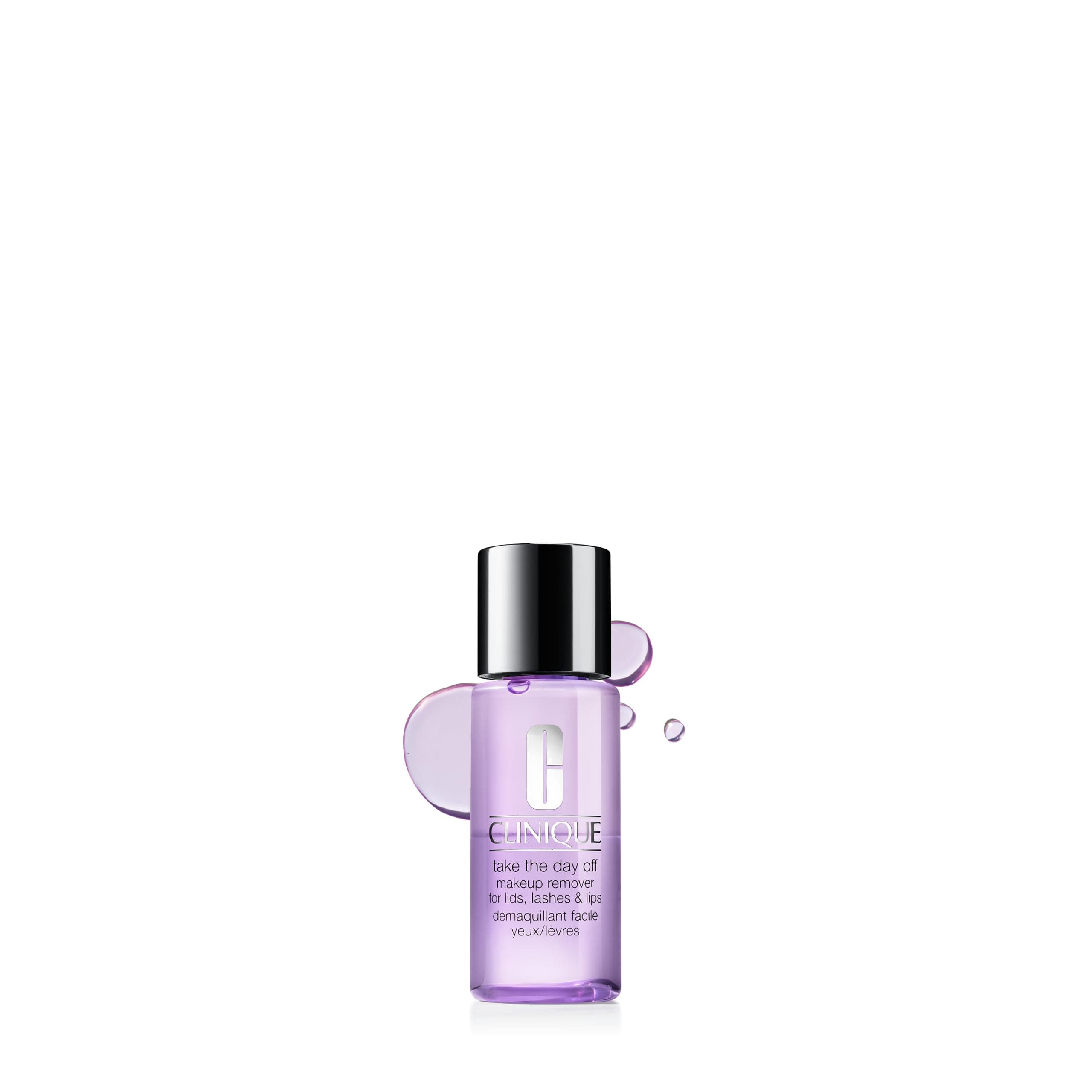
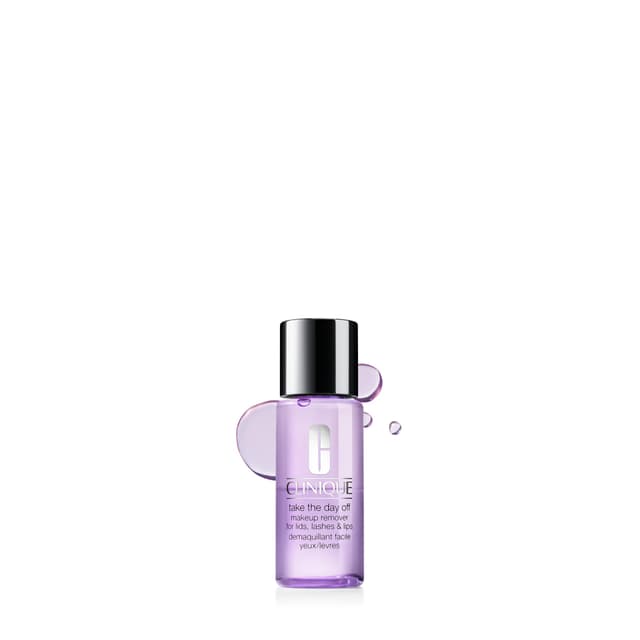
The Clinique Take The Day Off Charcoal Cleansing Balm is a well-formulated, effective makeup remover that delivers on its core promise, but consumers should manage expectations regarding its 'detoxifying' and 'anti-aging' claims, which outrun the visible evidence.
₹1,200 • Analysed 22 September 2026
The Clinique Take The Day Off Charcoal Cleansing Balm is positioned as a premium makeup remover in the Indian market, with a 30ml size typically retailing around Rs.1200. Its oil-based, non-greasy formula is well-suited for dissolving heavy makeup and sunscreen, which is beneficial in India's high UV and often humid conditions. While claims like 'No. 1 makeup remover' and 'removes over 95% of makeup' are ambitious and lack India-specific substantiation, the product's core functional claims are well-supported by its formulation. The 'fragrance-free' and 'dermatologist/ophthalmologist tested' claims are positive for Indian consumers with sensitive skin or eyes. The charcoal component, while present, offers limited 'detoxifying' benefits in a rinse-off format.
Independent and free. The Clean Sheet takes no money from brands to review, rank, or approve a product. This is a web evidence review, not a Clean Sheet certification. We checked the ingredient list, publicly available test reports, marketing claims, and formula logic using only public information available at the time of review.
The product's oil-based balm formula is inherently designed for makeup removal, and user reviews consistently confirm its efficacy in dissolving various types of makeup.
The oil-based formula with emollients like Ethylhexyl Palmitate and Safflower Seed Oil is well-suited to dissolve makeup. Brand claims 'dissolves long-wearing makeup' and 'removes over 95% of face makeup' are supported by product performance and user feedback.
Oil-based cleansers are highly effective at breaking down and removing sunscreen, including water-resistant formulas. Brand claims and user reviews support this.
The balm's emollient base makes it suitable for drier skin, while the charcoal targets excess oil, making it versatile. Clinique's official site states suitability for 'Very Dry to Dry, Dry Combination, Combination Oily, Oily' skin types.
Clinique US website cites 'Circana/U.S. Prestige Beauty Total Measured Market, Skincare Product Layer Dollar Sales, 12M ending September 2023 combined' as the source for this claim. While a source is provided, it is US-specific and not directly verifiable for the Indian market.
Charcoal Powder is listed in the INCI. Japanese charcoal is known for its absorbent properties, which align with detoxifying and oil absorption claims.
The claim relies on the presence of Charcoal Powder. While charcoal has general absorbent properties, the extent of 'detoxifying' pores in a rinse-off product is often limited, and no finished-product study for this specific claim is publicly visible.
Similar to 'detoxifies pores', this claim is based on the known absorbent properties of charcoal. While it can help remove surface impurities, a rinse-off product's ability to 'unclog' pores deeply is limited, and no finished-product evidence is publicly visible.
What we could confirm from public sources and the verified ingredient list.
Ingredient Safety & Toxicity
Full ingredient list retrieved and verified against the label.
Brand describes ingredient origin in its claims.
Screened against the ingredient database (5 of 12 ingredients matched); no cosmetics-prohibited ingredient found.
No ingredient with a recognised endocrine-activity concern found in the database.
No IARC-classified or formaldehyde-releasing ingredient found in the database screen.
Irritation & Allergen Risk
No EU-declarable or database-flagged allergen found in the list.
No high-sensitisation preservative (MI/MCI/formaldehyde-releaser) from our screen was found.
Uses milder (non-sulphate) surfactants.
Brand claims dermatologist testing (claim stated; underlying report not seen).
Ingredient Transparency
The full INCI list is publicly available, not just hero ingredients.
Ingredients are listed in the descending order required by India Cosmetics Rules 2020.
Standards & Compliance
Usage warnings and directions are clear on the label.
Screened against a curated reference set that we are continuing to verify and expand, so “clear” means no flag from that set, not a guarantee. Not a substitute for a full toxicological or clinical assessment.
| Ingredient |
|---|
Ethylhexyl Palmitate |
Carthamus Tinctorius (Safflower) Seed Oil |
Caprylic/Capric Triglyceride |
Sorbeth-30 Tetraoleate |
Synthetic Wax |
PEG-5 Glyceryl Triisostearate |
Charcoal Powder |
Tocopherol |
Caprylyl Glycol |
Water\Aqua\Eau |
Silica Dimethyl Silylate |
Phenoxyethanol |
INCI order as declared on packaging. Position reflects approximate concentration (high to low).
No prohibited or restricted ingredients identified
No prohibited or restricted ingredients identified
No prohibited or restricted ingredients identified
No prohibited or restricted ingredients identified
No prohibited or restricted ingredients identified
No prohibited or restricted ingredients identified
No prohibited or restricted ingredients identified
No prohibited or restricted ingredients identified
No prohibited or restricted ingredients identified
No prohibited or restricted ingredients identified
Flags are based on publicly available INCI only. Not a substitute for full regulatory compliance review.
“Clinique's #1 makeup remover”
The claim 'No. 1' is absolute and, while a US-specific source is cited, it lacks disclosed methodology and comparable study for the Indian market, which is an ASCI concern.
“removes over 95% of face makeup, SPF & pollutants”
A quantified claim ('removes over 95%') without a published, verifiable study with methodology and results is an ASCI concern.
The product's oil-based balm formula is inherently designed for makeup removal, and user reviews consistently confirm its efficacy in dissolving various types of makeup.
Evidence visible
The oil-based formula with emollients like Ethylhexyl Palmitate and Safflower Seed Oil is well-suited to dissolve makeup. Brand claims 'dissolves long-wearing makeup' and 'removes over 95% of face makeup' are supported by product performance and user feedback.
Evidence visible
Oil-based cleansers are highly effective at breaking down and removing sunscreen, including water-resistant formulas. Brand claims and user reviews support this.
Evidence visible
The balm's emollient base makes it suitable for drier skin, while the charcoal targets excess oil, making it versatile. Clinique's official site states suitability for 'Very Dry to Dry, Dry Combination, Combination Oily, Oily' skin types.
Evidence visible
Clinique US website cites 'Circana/U.S. Prestige Beauty Total Measured Market, Skincare Product Layer Dollar Sales, 12M ending September 2023 combined' as the source for this claim. While a source is provided, it is US-specific and not directly verifiable for the Indian market.
Evidence visible
Charcoal Powder is listed in the INCI. Japanese charcoal is known for its absorbent properties, which align with detoxifying and oil absorption claims.
Mentioned only
The claim relies on the presence of Charcoal Powder. While charcoal has general absorbent properties, the extent of 'detoxifying' pores in a rinse-off product is often limited, and no finished-product study for this specific claim is publicly visible.
Mentioned only
Similar to 'detoxifies pores', this claim is based on the known absorbent properties of charcoal. While it can help remove surface impurities, a rinse-off product's ability to 'unclog' pores deeply is limited, and no finished-product evidence is publicly visible.
Mentioned only
Oil-based cleansers are effective at removing environmental pollutants that adhere to the skin. Brand claims 'removes over 95% of pollutants' are supported by the product's cleansing mechanism.
Evidence visible
Safflower Seed Oil, an emollient rich in linoleic acid, is present in the formula and is generally known for its nourishing properties, which could extend to lashes and brows.
Mentioned only
Public evidence the brand could provide to close verification gaps
This review evaluates brand claims against visible evidence and formula logic. It does not replace a full ingredient safety analysis or a clinical product test. Results vary by individual, and the consumer should always read the full ingredient list and follow usage guidance.
Are you the brand? If you have published test data or want to request a re-review, write to us at hello@thecleansheet.in.
No ingredient with a recognised endocrine-activity concern found in the database.
No IARC-classified or formaldehyde-releasing ingredient found in the database screen.
Irritation & Allergen Risk
No EU-declarable or database-flagged allergen found in the list.
No high-sensitisation preservative (MI/MCI/formaldehyde-releaser) from our screen was found.
Uses milder (non-sulphate) surfactants.
Brand claims dermatologist testing (claim stated; underlying report not seen).
Ingredient Transparency
The full INCI list is publicly available, not just hero ingredients.
Ingredients are listed in the descending order required by India Cosmetics Rules 2020.
Standards & Compliance
Usage warnings and directions are clear on the label.
Screened against a curated reference set that we are continuing to verify and expand, so “clear” means no flag from that set, not a guarantee. Not a substitute for a full toxicological or clinical assessment.
The balm's emollient base makes it suitable for drier skin, while the charcoal targets excess oil, making it versatile. Clinique's official site states suitability for 'Very Dry to Dry, Dry Combination, Combination Oily, Oily' skin types.
Clinique US website cites 'Circana/U.S. Prestige Beauty Total Measured Market, Skincare Product Layer Dollar Sales, 12M ending September 2023 combined' as the source for this claim. While a source is provided, it is US-specific and not directly verifiable for the Indian market.
Charcoal Powder is listed in the INCI. Japanese charcoal is known for its absorbent properties, which align with detoxifying and oil absorption claims.
The claim relies on the presence of Charcoal Powder. While charcoal has general absorbent properties, the extent of 'detoxifying' pores in a rinse-off product is often limited, and no finished-product study for this specific claim is publicly visible.
Similar to 'detoxifies pores', this claim is based on the known absorbent properties of charcoal. While it can help remove surface impurities, a rinse-off product's ability to 'unclog' pores deeply is limited, and no finished-product evidence is publicly visible.
No prohibited or restricted ingredients identified
No prohibited or restricted ingredients identified
No prohibited or restricted ingredients identified
No prohibited or restricted ingredients identified
No prohibited or restricted ingredients identified
No prohibited or restricted ingredients identified
No prohibited or restricted ingredients identified
No prohibited or restricted ingredients identified
No prohibited or restricted ingredients identified
No prohibited or restricted ingredients identified
Flags are based on publicly available INCI only. Not a substitute for full regulatory compliance review.
The product's oil-based balm formula is inherently designed for makeup removal, and user reviews consistently confirm its efficacy in dissolving various types of makeup.
Evidence visible
The oil-based formula with emollients like Ethylhexyl Palmitate and Safflower Seed Oil is well-suited to dissolve makeup. Brand claims 'dissolves long-wearing makeup' and 'removes over 95% of face makeup' are supported by product performance and user feedback.
Evidence visible
Oil-based cleansers are highly effective at breaking down and removing sunscreen, including water-resistant formulas. Brand claims and user reviews support this.
Evidence visible
The balm's emollient base makes it suitable for drier skin, while the charcoal targets excess oil, making it versatile. Clinique's official site states suitability for 'Very Dry to Dry, Dry Combination, Combination Oily, Oily' skin types.
Evidence visible
Clinique US website cites 'Circana/U.S. Prestige Beauty Total Measured Market, Skincare Product Layer Dollar Sales, 12M ending September 2023 combined' as the source for this claim. While a source is provided, it is US-specific and not directly verifiable for the Indian market.
Evidence visible
Charcoal Powder is listed in the INCI. Japanese charcoal is known for its absorbent properties, which align with detoxifying and oil absorption claims.
Mentioned only
The claim relies on the presence of Charcoal Powder. While charcoal has general absorbent properties, the extent of 'detoxifying' pores in a rinse-off product is often limited, and no finished-product study for this specific claim is publicly visible.
Mentioned only
Similar to 'detoxifies pores', this claim is based on the known absorbent properties of charcoal. While it can help remove surface impurities, a rinse-off product's ability to 'unclog' pores deeply is limited, and no finished-product evidence is publicly visible.
Mentioned only
Oil-based cleansers are effective at removing environmental pollutants that adhere to the skin. Brand claims 'removes over 95% of pollutants' are supported by the product's cleansing mechanism.
Evidence visible
Safflower Seed Oil, an emollient rich in linoleic acid, is present in the formula and is generally known for its nourishing properties, which could extend to lashes and brows.
Mentioned only
“Clinique's #1 makeup remover”
The claim 'No. 1' is absolute and, while a US-specific source is cited, it lacks disclosed methodology and comparable study for the Indian market, which is an ASCI concern.
“removes over 95% of face makeup, SPF & pollutants”
A quantified claim ('removes over 95%') without a published, verifiable study with methodology and results is an ASCI concern.
Public evidence the brand could provide to close verification gaps