Getting you a comprehensive review of the product
Reading every ingredient in the formula…
Getting you a comprehensive review of the product
Reading every ingredient in the formula…
Join The Clean Sheet™ community
Science-backed beauty tips, ingredient alerts, and early access. Straight to your WhatsApp.
Join for free →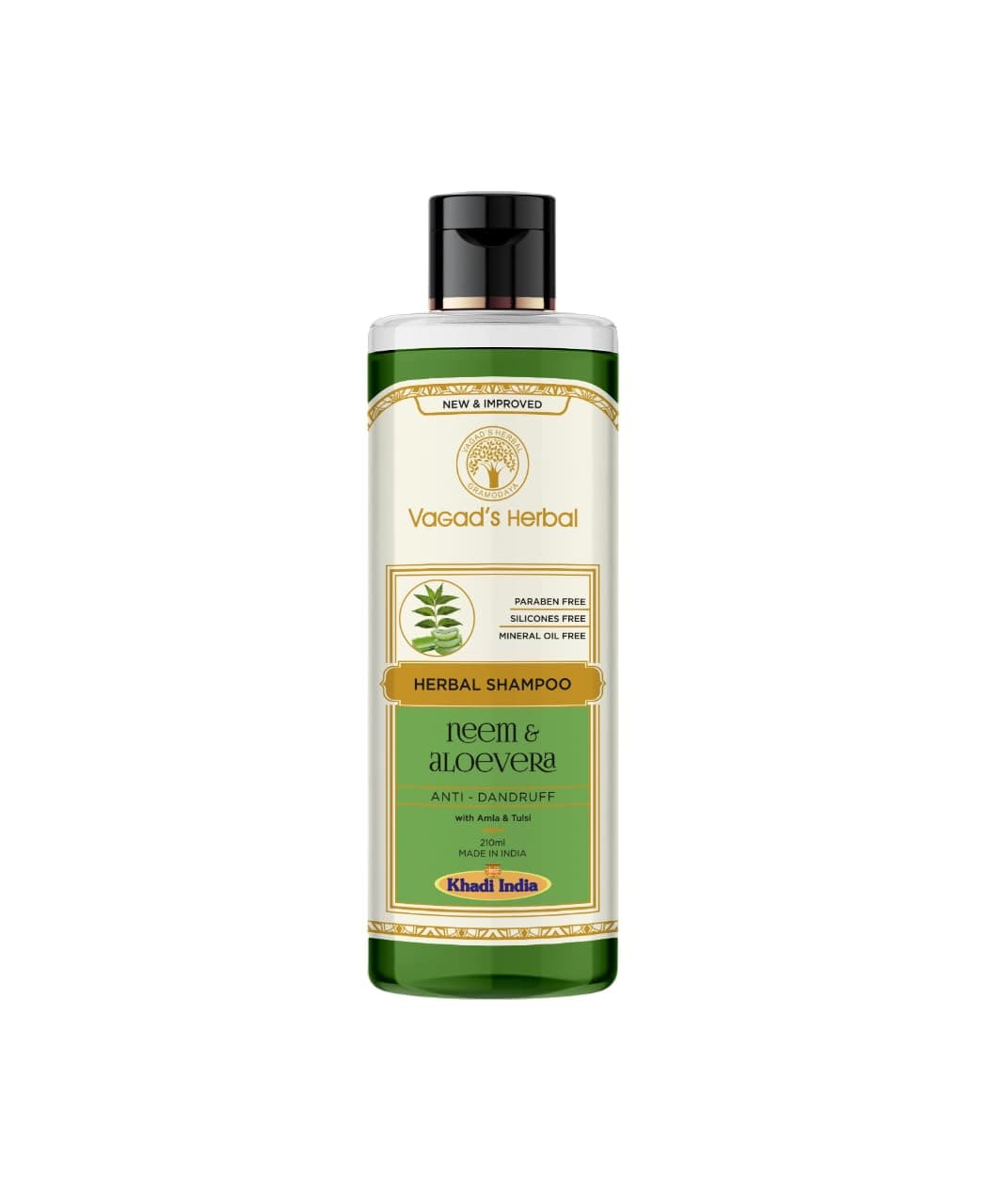
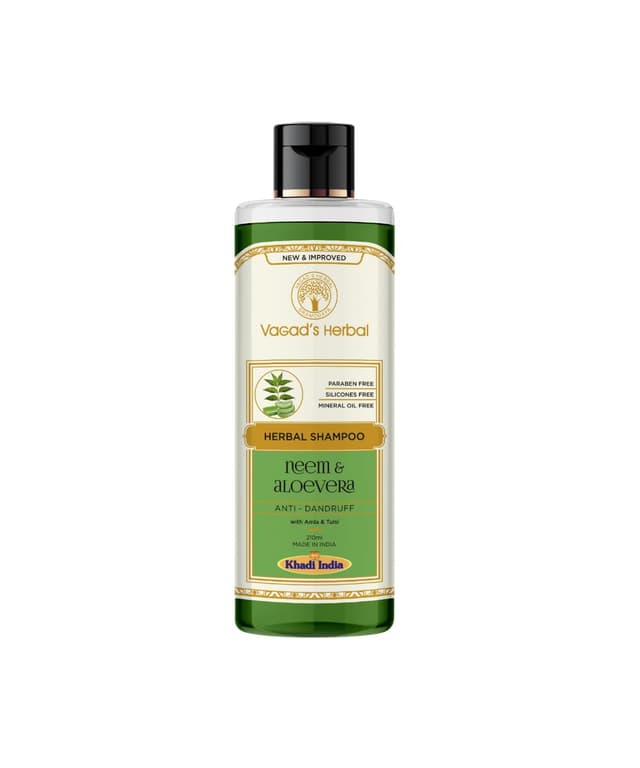
While offering an affordable herbal cleanse, Vagad's Herbal Neem & Aloevera Shampoo suffers from significant claim overreach and contradictions with its ingredient list, requiring consumers to manage expectations beyond marketing hype.
₹180 • Analysed 20 September 2026
This Vagad's Herbal shampoo is positioned as a natural, herbal solution for common Indian hair concerns like dandruff and hair fall, leveraging traditional ingredients like Neem, Aloe Vera, Amla, and Tulsi. Priced affordably, it aims to cater to a broad consumer base. However, some claims like '100% herbal' and 'no sulfates' are contradicted by the INCI, which could raise ASCI concerns for misleading advertising. The 'promote hair growth' claim also borders on drug territory without specific clinical backing. The presence of SLES and DMDM Hydantoin, while common, contradicts the 'no harsh chemicals' and '100% herbal' claims, which is a significant point for an Indian consumer seeking genuinely natural products. The product's claims of anti-dandruff and soothing properties are relevant for the humid Indian climate where scalp issues are common.
Independent and free. The Clean Sheet takes no money from brands to review, rank, or approve a product. This is a web evidence review, not a Clean Sheet certification. We checked the ingredient list, publicly available test reports, marketing claims, and formula logic using only public information available at the time of review.
Neem is known for its antifungal and antibacterial properties, which can help with dandruff. Aloe vera can soothe the scalp. This is ingredient-level evidence, not finished product testing.
As a shampoo, its primary function is cleansing. The INCI lists Sodium Lauryl Ether Sulfate (SLES) and Cocamidopropyl Betaine, which are effective surfactants for cleansing.
Neem is widely recognized for its antifungal and antibacterial properties. This is ingredient-level evidence.
Aloe vera is known for its hydrating and soothing properties. However, as a rinse-off product, the extent of 'nourishing roots' and 'strengthening hair from root to tip' is limited. This is ingredient-level evidence.
The retrieved INCI list does not contain parabens, silicones (like Dimethicone, Cyclopentasiloxane), or mineral oil (Paraffinum Liquidum).
Claim stated by the brand. No third-party certification found publicly visible.
General shampoo benefits supported by cleansing agents and conditioning polymers (Polyquaternium-7) in the formula.
Broad claim without specific mildness testing evidence for all hair types. Contains SLES which can be drying for some.
What we could confirm from public sources and the verified ingredient list.
Ingredient Safety & Toxicity
Full ingredient list retrieved and verified against the label.
Brand describes ingredient origin in its claims.
Screened against the ingredient database (7 of 16 ingredients matched); no cosmetics-prohibited ingredient found.
No ingredient with a recognised endocrine-activity concern found in the database.
Formaldehyde-releaser: dmdm hydantoin
Irritation & Allergen Risk
Fragranced, but individual allergens are hidden behind 'Parfum' rather than declared.
Formaldehyde-releaser.
Uses milder (non-sulphate) surfactants.
Ingredient Transparency
The full INCI list is publicly available, not just hero ingredients.
Ingredients are listed in the descending order required by India Cosmetics Rules 2020.
Standards & Compliance
Usage warnings and directions are clear on the label.
Sustainability & Ethics
Brand makes a cruelty-free / PETA claim.
Screened against a curated reference set that we are continuing to verify and expand, so “clear” means no flag from that set, not a guarantee. Not a substitute for a full toxicological or clinical assessment.
| Ingredient |
|---|
Aqua |
Sodium Lauryl Ether Sulfate |
Cocamidopropyl Betaine |
Coco Diethanolamide |
Polyquaternium-7 |
Glycerine |
DMDM Hydantoin |
Neem Extract |
Aloevera Extract |
Amla Extract |
Tulsi Extract |
Citric Acid |
Disodium EDTA |
Fragrance |
Sodium Chloride |
CI 61565 |
INCI order as declared on packaging. Position reflects approximate concentration (high to low).
No prohibited or restricted ingredients identified. DMDM Hydantoin is a formaldehyde releaser, restricted in concentration.
No prohibited or restricted ingredients identified. INCI list is provided as per regulations.
No prohibited or restricted ingredients identified.
No prohibited or restricted ingredients identified.
No prohibited or restricted ingredients identified.
No prohibited or restricted ingredients identified.
No prohibited or restricted ingredients identified.
No prohibited or restricted ingredients identified.
No prohibited or restricted ingredients identified.
No prohibited or restricted ingredients identified.
Flags are based on publicly available INCI only. Not a substitute for full regulatory compliance review.
“Promote hair growth, and prevent dandruff.”
Claims of 'promote hair growth' and 'prevent dandruff' can border on drug claims if not carefully worded as 'helps manage' or 'reduces the appearance of'. 'Prevent' is a strong therapeutic claim.
“100% herbal / plant-based ingredients (highlight key ones like aloe vera, amla, neem, bramhi,bhringraj,…”
Claiming '100% herbal / plant-based ingredients' is directly contradicted by the presence of multiple synthetic ingredients in the INCI list, which is an ASCI violation for misleading advertising.
“No harsh chemicals (no sulfates, parabens, silicones)”
The claim 'no sulfates' is contradicted by the presence of Sodium Lauryl Ether Sulfate (SLES) in the INCI, making it an ASCI concern for misleading advertising.
Neem is known for its antifungal and antibacterial properties, which can help with dandruff. Aloe vera can soothe the scalp. This is ingredient-level evidence, not finished product testing.
Mentioned only
As a shampoo, its primary function is cleansing. The INCI lists Sodium Lauryl Ether Sulfate (SLES) and Cocamidopropyl Betaine, which are effective surfactants for cleansing.
Mentioned only
Neem is widely recognized for its antifungal and antibacterial properties. This is ingredient-level evidence.
Mentioned only
Aloe vera is known for its hydrating and soothing properties. However, as a rinse-off product, the extent of 'nourishing roots' and 'strengthening hair from root to tip' is limited. This is ingredient-level evidence.
Mentioned only
The retrieved INCI list does not contain parabens, silicones (like Dimethicone, Cyclopentasiloxane), or mineral oil (Paraffinum Liquidum).
Mentioned only
Claim stated by the brand. No third-party certification found publicly visible.
Missing
General shampoo benefits supported by cleansing agents and conditioning polymers (Polyquaternium-7) in the formula.
Mentioned only
Broad claim without specific mildness testing evidence for all hair types. Contains SLES which can be drying for some.
Missing
This is a strong claim for a rinse-off product. While ingredients like Amla and Neem are traditionally associated with hair health, direct evidence of strengthening follicles from this finished shampoo is not publicly visible.
Mentioned only
Promoting hair growth is a very ambitious claim for a shampoo. Preventing dandruff is also a strong claim. While Neem has anti-dandruff properties, 'prevent' is absolute. No finished product evidence.
Mentioned only
Public evidence the brand could provide to close verification gaps
This review evaluates brand claims against visible evidence and formula logic. It does not replace a full ingredient safety analysis or a clinical product test. Results vary by individual, and the consumer should always read the full ingredient list and follow usage guidance.
Are you the brand? If you have published test data or want to request a re-review, write to us at hello@thecleansheet.in.