Getting you a comprehensive review of the product
Reading every ingredient in the formula…

Getting you a comprehensive review of the product
Reading every ingredient in the formula…
Join The Clean Sheet™ community
Science-backed beauty tips, ingredient alerts, and early access. Straight to your WhatsApp.
Join for free →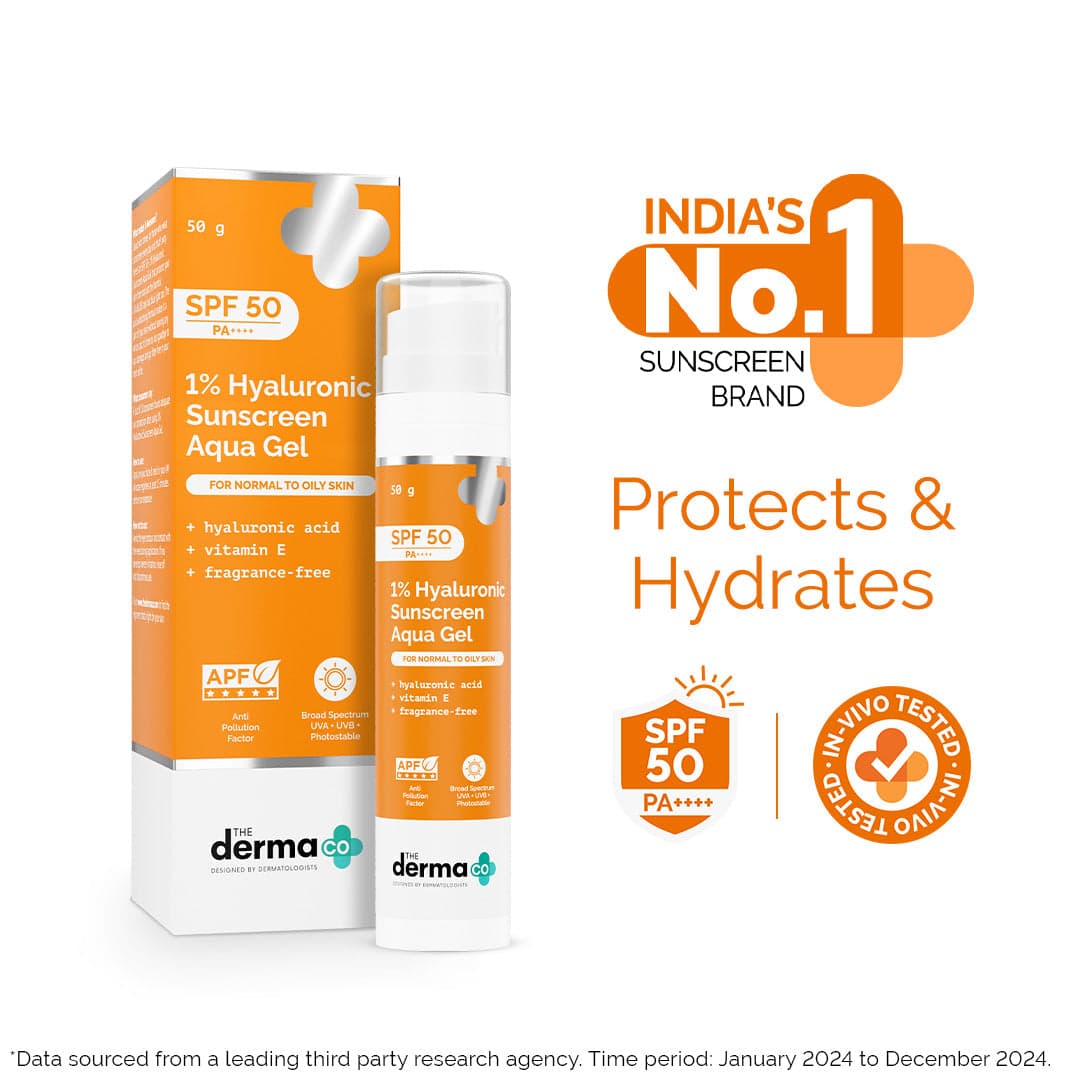
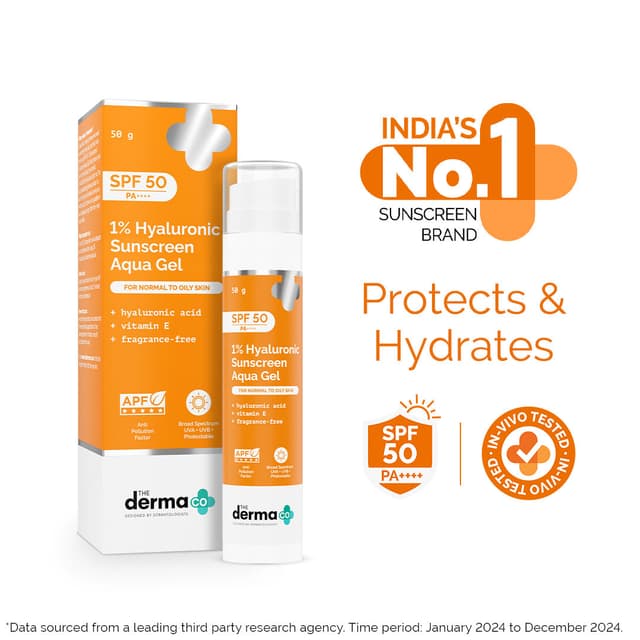
A hydrating aqua-gel SPF 50 PA++++ formula using a mixed UV filter system: Avobenzone (UVA), Terephthalylidene Dicamphor Sulfonic Acid (Mexoryl SX, UVA), Phenylbenzimidazole Sulfonic Acid (UVB, Ensulizole), Ethylhexyl Methoxycinnamate (Octinoxate, UVB), Ethylhexyl Salicylate (Octisalate, UVB), and Tinosorb M for broad-spectrum coverage. Mexoryl SX and Tinosorb M are EU-approved next-gen filters with high photostability. Octinoxate (Ethylhexyl Methoxycinnamate) has documented coral reef concerns - banned in Hawaii and US Virgin Islands - and some endocrine disruption data at systemic doses, though cosmetic topical use risk is considered low by regulators. Contains the Aquaxyl prebiotic moisture complex, Niacinamide, Blueberry Extract, and Allantoin.
₹499 · ₹10/ml • Analysed 11 June 2026
SPF 50 PA++++ covers the daily minimum for Indian tropical conditions. The aqua-gel texture is ideal for India's humid climate - lightweight and non-greasy. Octinoxate's marine toxicity is less relevant for inland India, but worth noting for beach/coastal use in marine-protected areas. Reapply every 2 hours in direct sun.
Independent and free. The Clean Sheet takes no money from brands to review, rank, or approve a product. This is a web evidence review, not a Clean Sheet certification. We checked the ingredient list, publicly available test reports, marketing claims, and formula logic using only public information available at the time of review.
SPF claim requires testing under Indian regulations; assumed compliant but certificate not published.
PA+++ designation requires testing; assumed compliant but not publicly documented.
HA present in INCI; hydration from a sunscreen base is plausible at use levels.
How we read this product across 5 areas. Open any row for the full rationale.
Full INCI published. Chemical UV filters (Ethylhexyl Methoxycinnamate, Benzophenone-3) are approved in India and globally but Benzophenone-3 has EU concentration restrictions (6% max) and endocrine disruption concerns at high exposure. Rinse-off or UV-exposure product so exposure management matters. No parabens or SLES. Silicones present (Dimethicone) - low concern.
SPF 50 PA+++ indicates broad-spectrum protection. Multi-filter system (OMC, BP-3, Octocrylene) provides UVA+UVB coverage. Hyaluronic Acid adds moisturisation. Chemical filter selection is effective but Benzophenone-3 triggers caution flags in some regulatory frameworks. Formula is functional but not best-in-class from a safety profile standpoint.
Good evidence for stated claims based on public information.
SPF 50 and PA+++ claims are based on standard test protocols - presumably tested though certificate not publicly available. Hyaluronic Acid presence confirmed in INCI. Hydration claims plausible. No published independent SPF verification certificate.
“SPF 50 protection” SPF claim requires testing under Indian regulations; assumed compliant but certificate not published.
“PA+++ UVA protection” PA+++ designation requires testing; assumed compliant but not publicly documented.
“Hyaluronic Acid hydration” HA present in INCI; hydration from a sunscreen base is plausible at use levels.
SPF claims require regulatory testing in India - assumed tested but certificate not publicly published. No photostability or broad-spectrum test data available. PA+++ designation requires UVA testing - not publicly documented.
SPF 50 and PA+++ clearly stated. Application quantity guidance partially present. Reapplication recommendation not prominently featured. Fragrance status unclear from ingredient list - minor consumer clarity gap.
| Ingredient |
|---|
Aqua |
Propylene Glycol |
Butyl Methoxydibenzoylmethane |
Terephthalylidene Dicamphor Sulfonic Acid |
Phenylbenzimidazole Sulfonic Acid |
Glycerin |
Ethylhexyl Methoxycinnamate |
Caprylic/Capric Triglyceride |
Triethanolamine |
Tapioca Starch |
Ammonium Acryloyldimethyltaurate/VP Copolymer |
Ethylhexyl Salicylate |
Methylene Bis-Benzotriazolyl Tetramethylbutylphenol |
Decyl Glucoside |
Xanthan Gum |
Isododecane |
Sodium Hyaluronate |
Niacinamide |
Cetearyl Olivate |
Sorbitan Olivate |
Xylitylglucoside |
Anhydroxylitol |
Xylitol |
Phenoxyethanol |
Ethylhexylglycerin |
Dicaprylyl Carbonate |
Cetearyl Alcohol |
Ceteareth-20 |
Glyceryl Monostearate |
Allantoin |
Sodium Gluconate |
Tocopheryl Acetate |
Butylated Hydroxytoluene |
INCI order as declared on packaging. Position reflects approximate concentration (high to low).
Caution - Benzophenone-3 restricted to 6% in leave-on EU products; endocrine disruption classification under review
Pass - chemical filters within permitted Indian sunscreen actives list
Pass
Caution - Benzophenone-3 under FDA rulemaking review for GRASE status
Pass
Pass - no SVHC candidates identified
Pass - no IARC Group 1/2A carcinogens
Pass
Pass - chemical filters within TGA permitted list
Pass
Flags are based on publicly available INCI only. Not a substitute for full regulatory compliance review.
SPF claim requires testing under Indian regulations; assumed compliant but certificate not published.
Mentioned only
PA+++ designation requires testing; assumed compliant but not publicly documented.
Mentioned only
HA present in INCI; hydration from a sunscreen base is plausible at use levels.
Evidence visible
Public evidence the brand could provide to close verification gaps
Functional SPF 50 sunscreen but Benzophenone-3 presence warrants awareness - it is under regulatory review in the EU and US for potential endocrine disruption at high exposure. For daily Indian use, the risk is low but mineral filter alternatives exist. SPF certificates should be published.
Are you the brand? If you have published test data or want to request a re-review, write to us at hello@thecleansheet.in.
How we read this product across 5 areas. Open any row for the full rationale.
Full INCI published. Chemical UV filters (Ethylhexyl Methoxycinnamate, Benzophenone-3) are approved in India and globally but Benzophenone-3 has EU concentration restrictions (6% max) and endocrine disruption concerns at high exposure. Rinse-off or UV-exposure product so exposure management matters. No parabens or SLES. Silicones present (Dimethicone) - low concern.
SPF 50 PA+++ indicates broad-spectrum protection. Multi-filter system (OMC, BP-3, Octocrylene) provides UVA+UVB coverage. Hyaluronic Acid adds moisturisation. Chemical filter selection is effective but Benzophenone-3 triggers caution flags in some regulatory frameworks. Formula is functional but not best-in-class from a safety profile standpoint.
Good evidence for stated claims based on public information.
SPF 50 and PA+++ claims are based on standard test protocols - presumably tested though certificate not publicly available. Hyaluronic Acid presence confirmed in INCI. Hydration claims plausible. No published independent SPF verification certificate.
“SPF 50 protection” SPF claim requires testing under Indian regulations; assumed compliant but certificate not published.
“PA+++ UVA protection” PA+++ designation requires testing; assumed compliant but not publicly documented.
“Hyaluronic Acid hydration” HA present in INCI; hydration from a sunscreen base is plausible at use levels.
SPF claims require regulatory testing in India - assumed tested but certificate not publicly published. No photostability or broad-spectrum test data available. PA+++ designation requires UVA testing - not publicly documented.
SPF 50 and PA+++ clearly stated. Application quantity guidance partially present. Reapplication recommendation not prominently featured. Fragrance status unclear from ingredient list - minor consumer clarity gap.
1% Hyaluronic Sunscreen Aqua Gel SPF 50 PA++++ is in Good Standing with The Clean Sheet: broadly sound, with only minor gaps such as a claim that is plausible but not publicly proven. A hydrating aqua-gel SPF 50 PA++++ formula using a mixed UV filter system: Avobenzone (UVA), Terephthalylidene Dicamphor Sulfonic Acid (Mexoryl SX, UVA), Phenylbenzimidazole Sulfonic Acid (UVB, Ensulizole), Ethylhexyl Methoxycinnamate (Octinoxate, UVB), Ethylhexyl Salicylate (Octisalate, UVB), and Tinosorb M for broad-spectrum coverage. Mexoryl SX and Tinosorb M are EU-approved next-gen filters with high photostability. Octinoxate (Ethylhexyl Methoxycinnamate) has documented coral reef concerns - banned in Hawaii and US Virgin Islands - and some endocrine disruption data at systemic doses, though cosmetic topical use risk is considered low by regulators. Contains the Aquaxyl prebiotic moisture complex, Niacinamide, Blueberry Extract, and Allantoin.
Our verdict is "Good Standing". Functional SPF 50 sunscreen but Benzophenone-3 presence warrants awareness - it is under regulatory review in the EU and US for potential endocrine disruption at high exposure. For daily Indian use, the risk is low but mineral filter alternatives exist. SPF certificates should be published.
We checked 3 on-pack claims: 3 of 3 are publicly supported. For example, "SPF 50 protection" — publicly supported.
Yes. Our review of the published INCI list found no synthetic fragrance (Parfum) or scent-use essential oils in 1% Hyaluronic Sunscreen Aqua Gel SPF 50 PA++++.
1% Hyaluronic Sunscreen Aqua Gel SPF 50 PA++++ retails for ₹449-₹499 in India. It targets sun protection, hydration, daily spf.