Getting you a comprehensive review of the product
Reading every ingredient in the formula…

Getting you a comprehensive review of the product
Reading every ingredient in the formula…
Join The Clean Sheet™ community
Science-backed beauty tips, ingredient alerts, and early access. Straight to your WhatsApp.
Join for free →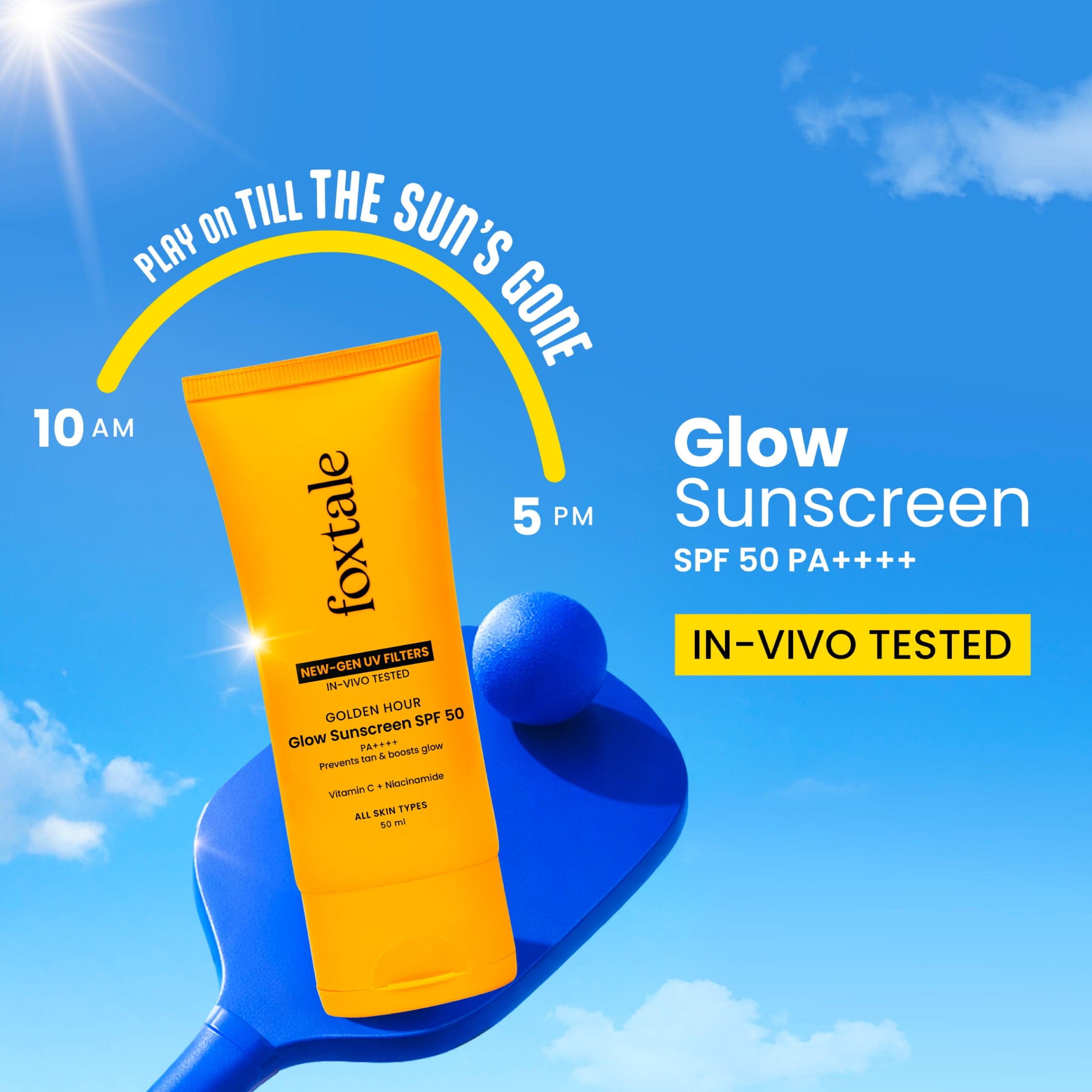
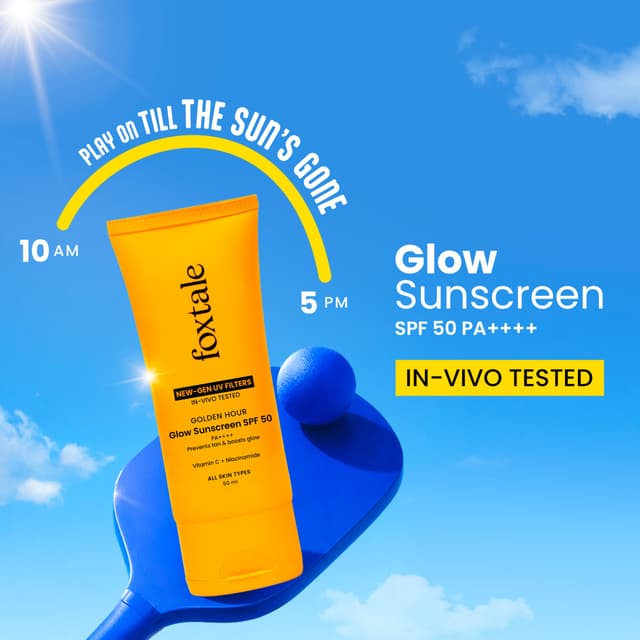
A next-generation chemical sunscreen using three EU-approved UV filters not yet FDA-approved in the US: Methylene Bis-Benzotriazolyl Tetramethylbutylphenol (Tinosorb M, position 4), Diethylamino Hydroxybenzoyl Hexyl Benzoate (Uvinul A Plus, position 7), and Ethylhexyl Triazone (position 10). Tinosorb M is considered the broadest-spectrum single UV filter currently available, offering both UVA and UVB coverage with exceptional photostability. The addition of Niacinamide (position 12) and Ethyl Ascorbic Acid (position 17) provides anti-darkening and antioxidant benefit. No Oxybenzone, no Octinoxate, no Avobenzone. PA++++ (PPD >= 16) rating confirmed in-vivo. Allergen Free Fragrance present.
₹349 · ₹7/ml • Analysed 11 June 2026
PA++++ (PPD >= 16) is the minimum recommended UVA protection for Indian conditions - UVA is present year-round and drives PIH in darker skin tones. Tinosorb M's exceptional photostability means it does not break down as quickly as older chemical filters in intense Indian sun - reapplication every 2 hours in direct outdoor sun is still mandatory, but filter efficacy degradation is slower. Niacinamide in the formula reduces post-UV inflammation that triggers PIH, highly relevant for Fitzpatrick III-V skin.
Independent and free. The Clean Sheet takes no money from brands to review, rank, or approve a product. This is a web evidence review, not a Clean Sheet certification. We checked the ingredient list, publicly available test reports, marketing claims, and formula logic using only public information available at the time of review.
In-vivo testing is stated; no published report but claim itself is appropriate.
Both filters are absent from the INCI list - confirmed.
Niacinamide and EAA add brightening mechanisms but no published efficacy data for this formula.
How we read this product across 5 areas. Open any row for the full rationale.
Tinosorb M, Uvinul A Plus, and Ethylhexyl Triazone all have excellent safety profiles: Tinosorb M does not penetrate skin, Uvinul A Plus does not generate concerning degradation...
Tinosorb M, Uvinul A Plus, and Ethylhexyl Triazone all have excellent safety profiles: Tinosorb M does not penetrate skin, Uvinul A Plus does not generate concerning degradation products, and Ethylhexyl Triazone is photostable with no endocrine activity. No Oxybenzone, no Octinoxate - the two UV filters most frequently linked to endocrine disruption and marine toxicity. No parabens, no SLES. Allergen Free Fragrance (synthetic, not fragrance-free) is present. Disodium EDTA as chelator.
The UV filter selection is genuinely impressive. Tinosorb M is the broadest-spectrum single filter globally available, providing UVA + UVB coverage with exceptional photostability and no skin penetration. Uvinul A Plus targets long-wave UVA (which drives pigmentation) with no degradation concerns. Ethylhexyl Triazone stabilises the overall filter system. Niacinamide at position 12 reduces post-UV skin darkening. Ethyl Ascorbic Acid at position 17 provides antioxidant protection against UV-generated free radicals.
Good evidence for stated claims based on public information.
SPF 50 and PA++++ are stated as in-vivo tested - the correct standard. UV filter identities are disclosed in the INCI and all three are EU-approved. Niacinamide and Ethyl Ascorbic Acid concentrations are not individually disclosed. The 'Glow' claim is experiential. No published SPF test report is publicly accessible.
“SPF 50 PA++++ (in-vivo tested)” In-vivo testing is stated; no published report but claim itself is appropriate.
“No Oxybenzone / No Octinoxate” Both filters are absent from the INCI list - confirmed.
“Brightening / Glow” Niacinamide and EAA add brightening mechanisms but no published efficacy data for this formula.
In-vivo SPF and PA++++ testing is stated - above average for the Indian market. No published SPF test certificate or clinical brightening study is accessible. The UV filter selection (Tinosorb M, Uvinul A Plus, EHT) has established efficacy and safety data in published literature, though not for this specific formula.
SPF 50 PA++++ is clearly stated. In-vivo testing claim is communicated. The next-generation EU filter system is explained on the product page. Niacinamide and EAA concentrations not individually quantified. Allergen Free Fragrance presence not prominently disclosed as synthetic fragrance.
| Ingredient |
|---|
Aqua |
C12-15 Alkyl Benzoate |
Propylene Glycol |
Methylene Bis-Benzotriazolyl Tetramethylbutylphenol |
Decyl Glucoside |
Xanthan Gum |
Diethylamino Hydroxybenzoyl Hexyl Benzoate |
Cetearyl Olivate |
Sorbitan Olivate |
Ethylhexyl Triazone |
Dimethicone |
Niacinamide |
Glyceryl Monostearate |
Phenoxyethanol |
Ethylhexylglycerin |
Octenidine HCl |
Ethyl Ascorbic Acid |
Acrylates/C10-30 Alkyl Acrylate Crosspolymer |
Tocopherol |
Aminomethyl Propanol |
Disodium EDTA |
Simethicone |
Allergen Free Fragrance |
INCI order as declared on packaging. Position reflects approximate concentration (high to low).
All three UV filters are EU-approved under Regulation 1223/2009 Annex VI. No banned or restricted substances.
No flagged substances
No flagged substances
No flagged substances
No flagged substances
No flagged substances
No flagged substances
No flagged substances
No flagged substances
No flagged substances
Flags are based on publicly available INCI only. Not a substitute for full regulatory compliance review.
In-vivo testing is stated; no published report but claim itself is appropriate.
Evidence visible
Both filters are absent from the INCI list - confirmed.
Evidence visible
Niacinamide and EAA add brightening mechanisms but no published efficacy data for this formula.
Mentioned only
Public evidence the brand could provide to close verification gaps
One of the cleanest UV filter profiles available in the Indian mass-premium segment. Tinosorb M + Uvinul A Plus + Ethylhexyl Triazone is a sophisticated next-generation filter system that avoids the safety concerns associated with older chemical filters. Mandatory SPF reapplication every 2 hours in direct sun regardless of SPF value.
Are you the brand? If you have published test data or want to request a re-review, write to us at hello@thecleansheet.in.
How we read this product across 5 areas. Open any row for the full rationale.
Tinosorb M, Uvinul A Plus, and Ethylhexyl Triazone all have excellent safety profiles: Tinosorb M does not penetrate skin, Uvinul A Plus does not generate concerning degradation...
Tinosorb M, Uvinul A Plus, and Ethylhexyl Triazone all have excellent safety profiles: Tinosorb M does not penetrate skin, Uvinul A Plus does not generate concerning degradation products, and Ethylhexyl Triazone is photostable with no endocrine activity. No Oxybenzone, no Octinoxate - the two UV filters most frequently linked to endocrine disruption and marine toxicity. No parabens, no SLES. Allergen Free Fragrance (synthetic, not fragrance-free) is present. Disodium EDTA as chelator.
The UV filter selection is genuinely impressive. Tinosorb M is the broadest-spectrum single filter globally available, providing UVA + UVB coverage with exceptional photostability and no skin penetration. Uvinul A Plus targets long-wave UVA (which drives pigmentation) with no degradation concerns. Ethylhexyl Triazone stabilises the overall filter system. Niacinamide at position 12 reduces post-UV skin darkening. Ethyl Ascorbic Acid at position 17 provides antioxidant protection against UV-generated free radicals.
Good evidence for stated claims based on public information.
SPF 50 and PA++++ are stated as in-vivo tested - the correct standard. UV filter identities are disclosed in the INCI and all three are EU-approved. Niacinamide and Ethyl Ascorbic Acid concentrations are not individually disclosed. The 'Glow' claim is experiential. No published SPF test report is publicly accessible.
“SPF 50 PA++++ (in-vivo tested)” In-vivo testing is stated; no published report but claim itself is appropriate.
“No Oxybenzone / No Octinoxate” Both filters are absent from the INCI list - confirmed.
“Brightening / Glow” Niacinamide and EAA add brightening mechanisms but no published efficacy data for this formula.
In-vivo SPF and PA++++ testing is stated - above average for the Indian market. No published SPF test certificate or clinical brightening study is accessible. The UV filter selection (Tinosorb M, Uvinul A Plus, EHT) has established efficacy and safety data in published literature, though not for this specific formula.
SPF 50 PA++++ is clearly stated. In-vivo testing claim is communicated. The next-generation EU filter system is explained on the product page. Niacinamide and EAA concentrations not individually quantified. Allergen Free Fragrance presence not prominently disclosed as synthetic fragrance.
Glow Sunscreen SPF 50 PA++++ is in Good Standing with The Clean Sheet: broadly sound, with only minor gaps such as a claim that is plausible but not publicly proven. A next-generation chemical sunscreen using three EU-approved UV filters not yet FDA-approved in the US: Methylene Bis-Benzotriazolyl Tetramethylbutylphenol (Tinosorb M, position 4), Diethylamino Hydroxybenzoyl Hexyl Benzoate (Uvinul A Plus, position 7), and Ethylhexyl Triazone (position 10). Tinosorb M is considered the broadest-spectrum single UV filter currently available, offering both UVA and UVB coverage with exceptional photostability. The addition of Niacinamide (position 12) and Ethyl Ascorbic Acid (position 17) provides anti-darkening and antioxidant benefit. No Oxybenzone, no Octinoxate, no Avobenzone. PA++++ (PPD >= 16) rating confirmed in-vivo. Allergen Free Fragrance present.
Our verdict is "Good Standing". One of the cleanest UV filter profiles available in the Indian mass-premium segment. Tinosorb M + Uvinul A Plus + Ethylhexyl Triazone is a sophisticated next-generation filter system that avoids the safety concerns associated with older chemical filters. Mandatory SPF reapplication every 2 hours in direct sun regardless of SPF value.
We checked 3 on-pack claims: 2 of 3 are publicly supported, 1 needs more proof. For example, "SPF 50 PA++++ (in-vivo tested)" — publicly supported.
No. Glow Sunscreen SPF 50 PA++++ contains synthetic fragrance (Parfum) in its ingredient list — worth noting if you have sensitive or fragrance-reactive skin.
Glow Sunscreen SPF 50 PA++++ retails for ₹349 in India. It targets sun protection, brightening, anti-ageing, daily spf.