Getting you a comprehensive review of the product
Reading every ingredient in the formula…

Getting you a comprehensive review of the product
Reading every ingredient in the formula…
Join The Clean Sheet™ community
Science-backed beauty tips, ingredient alerts, and early access. Straight to your WhatsApp.
Join for free →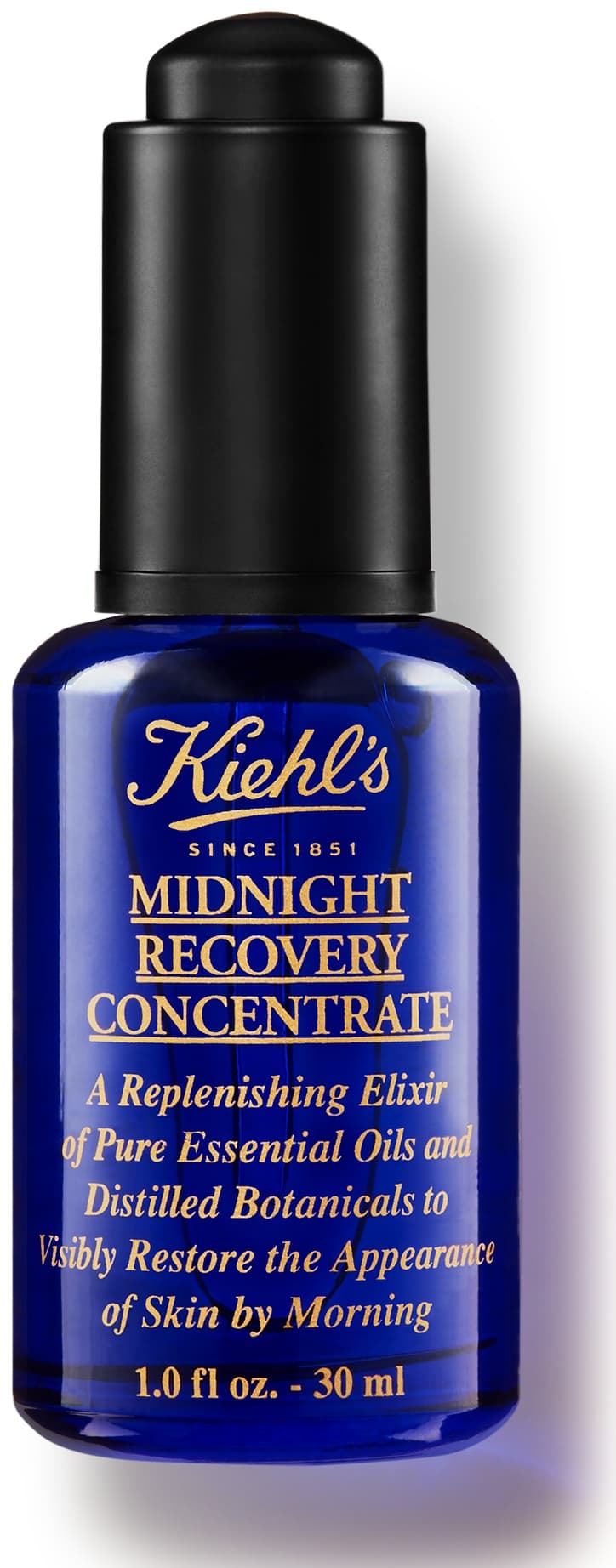
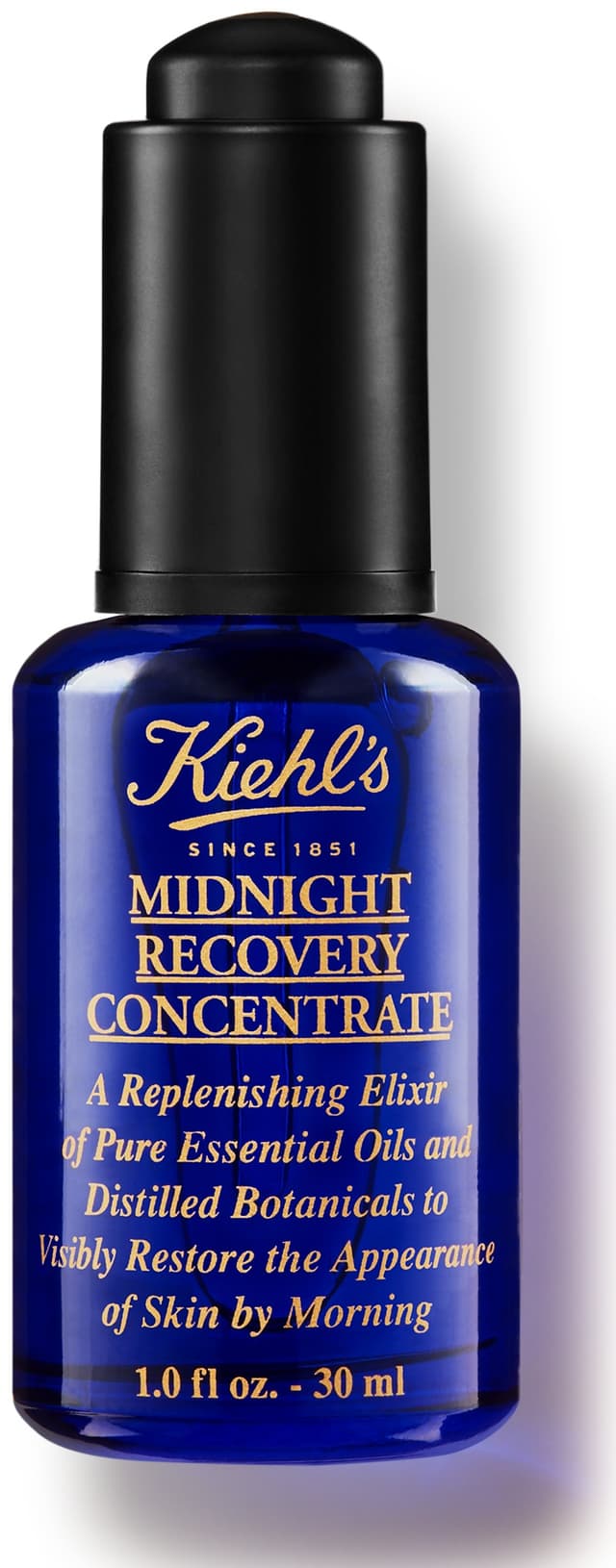
A cult facial oil marketed for overnight skin recovery. The emollient base genuinely delivers: Rosehip Oil, Evening Primrose Oil, Jojoba Oil, and Squalane are all evidence-backed oils with barrier-repair activity. However, the verified ingredient list reveals a fragrance profile far more extensive than the marketing suggests. Eight distinct fragrance components are present (Lavender, Geranium, Rosemary, Coriander listed twice, Lavandin, Sclareolide, Rose, and Jasmine), plus five declared fragrance allergens including Linalool, Limonene, Citral, Citronellol, and Geraniol. None of these fragrance components contribute to skin repair; the recovery effect comes entirely from the oil base.
₹5,500-₹6,500 • Analysed 10 June 2026
Overnight facial oils are popular in India for their skin recovery benefits. Consumers with sensitive skin or a personal history of fragrance reactions should approach this product with caution: five declared allergens in an overnight leave-on oil means extended skin contact and higher cumulative absorption. Those prone to post-inflammatory hyperpigmentation should avoid applying fragrant products to already-reactive areas.
Independent and free. The Clean Sheet takes no money from brands to review, rank, or approve a product. This is a web evidence review, not a Clean Sheet certification. We checked the ingredient list, publicly available test reports, marketing claims, and formula logic using only public information available at the time of review.
The active oil base (Rosehip, Evening Primrose, Jojoba, Squalane) has published support for barrier-repair properties, but no clinical overnight recovery study for the finished product is publicly accessible.
Kiehl's states this broadly but no study with method, sample size, or result is publicly linked for this product.
The eight fragrance components in the formula contribute aroma only. No therapeutic role for any of the eight has been publicly substantiated for this finished product.
With five declared allergens and eight fragrance components in an overnight leave-on oil, no patch test or HRIPT report is publicly available to support a sensitive-skin suitability claim.
How we read this product across 5 areas. Open any row for the full rationale.
The fragrance burden in this product is considerably more extensive than the declared essential oil list implies. The verified ingredient list includes eight distinct fragrance components: Lavandula Angustifolia (Lavender), Pelargonium Graveolens (Geranium), Rosmarinus Officinalis (Rosemary), Coriandrum Sativum (Coriander, listed twice in the verified INCI), Lavandula Hybrida (Lavandin, a Lavender-Aspic hybrid that also contains Camphor), Sclareolide (a synthetic fragrance fixative derived from clary sage), Rosa Spp (rose absolute), and Jasminum Officinale (jasmine extract). Five fragrance allergens requiring EU mandatory disclosure are present: Linalool, Limonene, Citral, Citronellol, and Geraniol. In an overnight leave-on product where skin contact runs eight or more hours, fragrance sensitisation risk is cumulative. Even without an initial reaction, repeated overnight exposure substantially raises the lifetime risk of developing a sensitisation response, particularly for users already prone to sensitivity.
The oil base genuinely supports the overnight recovery claim. Rosehip Oil (Rosa Canina) is rich in linoleic acid and beta-carotene with published evidence for barrier repair. Evening Primrose Oil (Oenothera Biennis) has a high gamma-linolenic acid content with anti-inflammatory and barrier-repairing properties. Jojoba (Simmondsia Chinensis) is a liquid wax ester that is well-established as a non-comedogenic carrier. Squalane provides additional barrier support. The skin recovery effect comes entirely from this oil base. The eight fragrance components add aesthetic character only and contribute no therapeutic benefit to overnight skin repair. Coriander Seed Oil appearing twice in the verified ingredient list is an anomaly not addressed in product communications.
Essential oils are declared by botanical name rather than grouped under a generic 'Fragrance' listing, which is the more transparent approach. However, the scope of the fragrance complex (eight components including Lavandin, Rose, Jasmine, and Sclareolide) is not communicated in brand materials, and the functional distinction between the recovery-active oil base and the fragrance-only essential oil blend is not explained to consumers. No concentration data for the recovery-active oils is publicly available. No clinical overnight recovery study for the finished product is publicly accessible.
“Overnight skin recovery” The active oil base (Rosehip, Evening Primrose, Jojoba, Squalane) has published support for barrier-repair properties, but no clinical overnight recovery study for the finished product is publicly accessible.
“Dermatologist tested” Kiehl's states this broadly but no study with method, sample size, or result is publicly linked for this product.
“Eight essential oil components are purely functional (not fragrance-only)” The eight fragrance components in the formula contribute aroma only. No therapeutic role for any of the eight has been publicly substantiated for this finished product.
Kiehl's states 'dermatologist tested' but no published study with method, sample size, or result is accessible for this specific product. No clinical skin recovery study, no irritancy or sensitisation study for the fragrance complex, and no preservative efficacy data are publicly available. The full INCI is available on kiehls.com. Grade C: testing is mentioned but supporting documentation is not publicly visible.
Overnight use instructions are provided. There is no prominent warning about the fragrance allergen load for sensitive skin users, no disclosure of the breadth of the fragrance complex beyond the essential oil names listed, and no specific guidance for consumers with a fragrance allergy or sensitivity history.
| Ingredient |
|---|
Caprylic/Capric Triglyceride |
Dicaprylyl Carbonate |
Squalane |
Rosa Canina Fruit Oil |
Oenothera Biennis Oil |
Simmondsia Chinensis Oil |
Coriandrum Sativum Oil |
Coriander Seed Oil |
Tocopherol |
Lavandula Angustifolia Oil |
Pelargonium Graveolens Flower Oil |
Linalool |
Rosmarinus Officinalis Leaf Oil |
Citronellol |
Geraniol |
Lavandula Hybrida Oil |
Cucumis Sativus Extract |
Curcuma Longa Extract |
Limonene |
Citral |
Sclareolide |
Rosa Spp |
Jasminum Officinale Extract |
Helianthus Annuus Seed Oil |
INCI order as declared on packaging. Position reflects approximate concentration (high to low).
No obvious public red flag found
No obvious public red flag found
No obvious public red flag found
No obvious public red flag found
No obvious public red flag found
No obvious public red flag found
No obvious carcinogenicity flag found
No obvious public red flag found
Not triggered
Not triggered
Flags are based on publicly available INCI only. Not a substitute for full regulatory compliance review.
The active oil base (Rosehip, Evening Primrose, Jojoba, Squalane) has published support for barrier-repair properties, but no clinical overnight recovery study for the finished product is publicly accessible.
Mentioned only
Kiehl's states this broadly but no study with method, sample size, or result is publicly linked for this product.
Mentioned only
The eight fragrance components in the formula contribute aroma only. No therapeutic role for any of the eight has been publicly substantiated for this finished product.
Missing
With five declared allergens and eight fragrance components in an overnight leave-on oil, no patch test or HRIPT report is publicly available to support a sensitive-skin suitability claim.
Missing
Public evidence the brand could provide to close verification gaps
This assessment is based only on publicly available INCI, claims, and test evidence. It is not a full Clean Sheet certification. Full certification requires confidential formula review, exact concentrations, supplier documentation, manufacturing records, packaging compatibility, preservative efficacy, stability, and complete claim validation.
Are you the brand? If you have published test data or want to request a re-review, write to us at hello@thecleansheet.in.
How we read this product across 5 areas. Open any row for the full rationale.
The fragrance burden in this product is considerably more extensive than the declared essential oil list implies. The verified ingredient list includes eight distinct fragrance components: Lavandula Angustifolia (Lavender), Pelargonium Graveolens (Geranium), Rosmarinus Officinalis (Rosemary), Coriandrum Sativum (Coriander, listed twice in the verified INCI), Lavandula Hybrida (Lavandin, a Lavender-Aspic hybrid that also contains Camphor), Sclareolide (a synthetic fragrance fixative derived from clary sage), Rosa Spp (rose absolute), and Jasminum Officinale (jasmine extract). Five fragrance allergens requiring EU mandatory disclosure are present: Linalool, Limonene, Citral, Citronellol, and Geraniol. In an overnight leave-on product where skin contact runs eight or more hours, fragrance sensitisation risk is cumulative. Even without an initial reaction, repeated overnight exposure substantially raises the lifetime risk of developing a sensitisation response, particularly for users already prone to sensitivity.
The oil base genuinely supports the overnight recovery claim. Rosehip Oil (Rosa Canina) is rich in linoleic acid and beta-carotene with published evidence for barrier repair. Evening Primrose Oil (Oenothera Biennis) has a high gamma-linolenic acid content with anti-inflammatory and barrier-repairing properties. Jojoba (Simmondsia Chinensis) is a liquid wax ester that is well-established as a non-comedogenic carrier. Squalane provides additional barrier support. The skin recovery effect comes entirely from this oil base. The eight fragrance components add aesthetic character only and contribute no therapeutic benefit to overnight skin repair. Coriander Seed Oil appearing twice in the verified ingredient list is an anomaly not addressed in product communications.
Essential oils are declared by botanical name rather than grouped under a generic 'Fragrance' listing, which is the more transparent approach. However, the scope of the fragrance complex (eight components including Lavandin, Rose, Jasmine, and Sclareolide) is not communicated in brand materials, and the functional distinction between the recovery-active oil base and the fragrance-only essential oil blend is not explained to consumers. No concentration data for the recovery-active oils is publicly available. No clinical overnight recovery study for the finished product is publicly accessible.
“Overnight skin recovery” The active oil base (Rosehip, Evening Primrose, Jojoba, Squalane) has published support for barrier-repair properties, but no clinical overnight recovery study for the finished product is publicly accessible.
“Dermatologist tested” Kiehl's states this broadly but no study with method, sample size, or result is publicly linked for this product.
“Eight essential oil components are purely functional (not fragrance-only)” The eight fragrance components in the formula contribute aroma only. No therapeutic role for any of the eight has been publicly substantiated for this finished product.
Kiehl's states 'dermatologist tested' but no published study with method, sample size, or result is accessible for this specific product. No clinical skin recovery study, no irritancy or sensitisation study for the fragrance complex, and no preservative efficacy data are publicly available. The full INCI is available on kiehls.com. Grade C: testing is mentioned but supporting documentation is not publicly visible.
Overnight use instructions are provided. There is no prominent warning about the fragrance allergen load for sensitive skin users, no disclosure of the breadth of the fragrance complex beyond the essential oil names listed, and no specific guidance for consumers with a fragrance allergy or sensitivity history.
Not quite. Midnight Recovery Concentrate is rated "Room to Improve" by The Clean Sheet — we found real concerns a buyer should weigh, such as unproven claims or transparency gaps. A cult facial oil marketed for overnight skin recovery. The emollient base genuinely delivers: Rosehip Oil, Evening Primrose Oil, Jojoba Oil, and Squalane are all evidence-backed oils with barrier-repair activity. However, the verified ingredient list reveals a fragrance profile far more extensive than the marketing suggests. Eight distinct fragrance components are present (Lavender, Geranium, Rosemary, Coriander listed twice, Lavandin, Sclareolide, Rose, and Jasmine), plus five declared fragrance allergens including Linalool, Limonene, Citral, Citronellol, and Geraniol. None of these fragrance components contribute to skin repair; the recovery effect comes entirely from the oil base.
Our verdict is "Room to Improve". This assessment is based only on publicly available INCI, claims, and test evidence. It is not a full Clean Sheet certification. Full certification requires confidential formula review, exact concentrations, supplier documentation, manufacturing records, packaging compatibility, preservative efficacy, stability, and complete claim validation.
We checked 4 on-pack claims: 0 of 4 are publicly supported, 2 need more proof, 2 are not publicly supported. For example, "Overnight skin recovery" — needs proof.
Midnight Recovery Concentrate retails for ₹5,500-₹6,500 in India. It targets overnight skin recovery + barrier repair.