Getting you a comprehensive review of the product
Reading every ingredient in the formula…
Getting you a comprehensive review of the product
Reading every ingredient in the formula…
Join The Clean Sheet™ community
Science-backed beauty tips, ingredient alerts, and early access. Straight to your WhatsApp.
Join for free →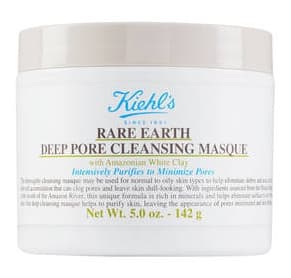
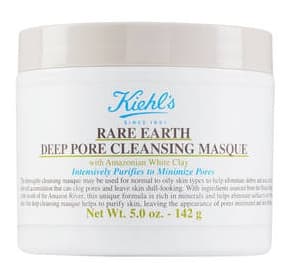
Kiehl's cleanest product by score: a Kaolin and Bentonite dual-clay mask that is fragrance-free, alcohol-free, and paraben-free with no dyes and no essential oils. Both clays appear at prominent positions in the formula, confirming high active concentrations. Glycerin appears early in the formula to counteract the drying effect that clay masks typically cause, and Aloe Barbadensis, Oat Flour, and Allantoin add meaningful soothing support. Being a rinse-off product significantly reduces ingredient exposure time for any ingredient of note.
₹2,500-₹3,000 • Analysed 10 June 2026
Oiliness, enlarged pores, and clogged pores are among the most common skin complaints in India due to heat and humidity. A clay mask used one to two times weekly is a well-evidenced approach for oil control. This is among the cleanest clay masks at the premium price point and represents a strong Kiehl's recommendation for Indian consumers dealing with congestion or visible pores.
Independent and free. The Clean Sheet takes no money from brands to review, rank, or approve a product. This is a web evidence review, not a Clean Sheet certification. We checked the ingredient list, publicly available test reports, marketing claims, and formula logic using only public information available at the time of review.
No Parfum, fragrance, or scent-use essential oils appear in the published ingredient list.
Kaolin and Bentonite appear prominently in the formula, consistent with their role as the primary actives. However, no finished product pore-cleansing clinical study is publicly accessible.
Stated broadly by Kiehl's but no study with method, sample size, or result is publicly linked for this product.
The clay-based formula is structurally appropriate for oily skin, but no finished product sebum-control or skin-type suitability study is publicly accessible.
How we read this product across 5 areas. Open any row for the full rationale.
Clean allergen profile with a fragrance free formula.
This is one of the cleanest formulas in the Kiehl's range: fragrance-free, paraben-free, no dyes, no essential oils. Kaolin and Bentonite are inert mineral clays with no systemic safety concerns. Ceteareth-20 is a single PEG-derived emulsifier; a single PEG compound at this level is low concern overall, though trace ethylene oxide potential is an industry-wide issue with PEG derivatives. The rinse-off format is a meaningful mitigating factor: limited skin contact time substantially reduces absorption of any ingredients with a concern note. No regulatory flags identified across EU, India, or Health Canada databases.
The two clays appear at prominent positions in the ingredient list, confirming they are the dominant active ingredients, which is exactly what is needed in a clay mask. Kaolin absorbs sebum and provides mild physical exfoliation. Bentonite swells in water to draw out impurities and has antimicrobial properties. Glycerin appears early enough in the formula to counteract the excessive drying that clay masks can cause. Aloe Barbadensis, Colloidal Oat (Avena Sativa Flour), and Allantoin add further soothing and anti-inflammatory support. The formula structure is doing what it claims at appropriate ingredient levels.
Good evidence for stated claims based on public information.
The full ingredient list is published and the clay types are clearly identified. The 'Rare Earth' branding refers to Amazonian White Clay, which is another name for Kaolin. This is not misleading, though it is a marketing flourish that overstates the exotic provenance of a common cosmetic clay. No ingredient concentrations are disclosed, which is standard across the market. No inflated therapeutic claims are made. The 'dermatologist tested' statement is present but no published study is accessible.
“Fragrance-free” No Parfum, fragrance, or scent-use essential oils appear in the published ingredient list.
“Deep pore cleansing with Amazonian Clay (Kaolin)” Kaolin and Bentonite appear prominently in the formula, consistent with their role as the primary actives. However, no finished product pore-cleansing clinical study is publicly accessible.
“Dermatologist tested” Stated broadly by Kiehl's but no study with method, sample size, or result is publicly linked for this product.
Kiehl's states 'dermatologist tested' but no published study with lab name, method, or result is accessible for this product. No preservative efficacy test, no comedogenicity testing result, and no clinical pore-cleansing study are publicly linked. The full INCI is available on kiehls.com. Grade C: testing mentioned but supporting documentation not publicly visible.
Use instructions and frequency guidance (1 to 2 times weekly) are clearly communicated. Skin type suitability for oily and combination skin is stated. The brand is honest about the mask's cleansing and oil-control purpose. A more explicit note about the minimum leave-on time and how long to avoid over-use would add useful clarity.
| Ingredient |
|---|
Water |
Kaolin |
Bentonite |
Propanediol |
Glycerin |
CI 77891 (Titanium Dioxide) |
Caprylic/Capric Triglyceride |
Cetearyl Alcohol |
Zea Mays Starch (Corn Starch) |
Phenoxyethanol |
Ceteareth-20 |
Caprylyl Glycol |
Xanthan Gum |
Ethylhexylglycerin |
Tocopherol |
Lecithin |
Aloe Barbadensis Leaf Juice |
Avena Sativa Flour |
Allantoin |
INCI order as declared on packaging. Position reflects approximate concentration (high to low).
No obvious public red flag found
No obvious public red flag found
No obvious public red flag found
No obvious public red flag found
No obvious public red flag found
No obvious public red flag found
No obvious carcinogenicity flag found
No obvious public red flag found
Not triggered
Not triggered
Flags are based on publicly available INCI only. Not a substitute for full regulatory compliance review.
No Parfum, fragrance, or scent-use essential oils appear in the published ingredient list.
Evidence visible
Kaolin and Bentonite appear prominently in the formula, consistent with their role as the primary actives. However, no finished product pore-cleansing clinical study is publicly accessible.
Mentioned only
Stated broadly by Kiehl's but no study with method, sample size, or result is publicly linked for this product.
Mentioned only
The clay-based formula is structurally appropriate for oily skin, but no finished product sebum-control or skin-type suitability study is publicly accessible.
Mentioned only
Public evidence the brand could provide to close verification gaps
This assessment is based only on publicly available INCI, claims, and test evidence. It is not a full Clean Sheet certification. Full certification requires confidential formula review, exact concentrations, supplier documentation, manufacturing records, packaging compatibility, preservative efficacy, stability, and complete claim validation.
Are you the brand? If you have published test data or want to request a re-review, write to us at hello@thecleansheet.in.
How we read this product across 5 areas. Open any row for the full rationale.
Clean allergen profile with a fragrance free formula.
This is one of the cleanest formulas in the Kiehl's range: fragrance-free, paraben-free, no dyes, no essential oils. Kaolin and Bentonite are inert mineral clays with no systemic safety concerns. Ceteareth-20 is a single PEG-derived emulsifier; a single PEG compound at this level is low concern overall, though trace ethylene oxide potential is an industry-wide issue with PEG derivatives. The rinse-off format is a meaningful mitigating factor: limited skin contact time substantially reduces absorption of any ingredients with a concern note. No regulatory flags identified across EU, India, or Health Canada databases.
The two clays appear at prominent positions in the ingredient list, confirming they are the dominant active ingredients, which is exactly what is needed in a clay mask. Kaolin absorbs sebum and provides mild physical exfoliation. Bentonite swells in water to draw out impurities and has antimicrobial properties. Glycerin appears early enough in the formula to counteract the excessive drying that clay masks can cause. Aloe Barbadensis, Colloidal Oat (Avena Sativa Flour), and Allantoin add further soothing and anti-inflammatory support. The formula structure is doing what it claims at appropriate ingredient levels.
Good evidence for stated claims based on public information.
The full ingredient list is published and the clay types are clearly identified. The 'Rare Earth' branding refers to Amazonian White Clay, which is another name for Kaolin. This is not misleading, though it is a marketing flourish that overstates the exotic provenance of a common cosmetic clay. No ingredient concentrations are disclosed, which is standard across the market. No inflated therapeutic claims are made. The 'dermatologist tested' statement is present but no published study is accessible.
“Fragrance-free” No Parfum, fragrance, or scent-use essential oils appear in the published ingredient list.
“Deep pore cleansing with Amazonian Clay (Kaolin)” Kaolin and Bentonite appear prominently in the formula, consistent with their role as the primary actives. However, no finished product pore-cleansing clinical study is publicly accessible.
“Dermatologist tested” Stated broadly by Kiehl's but no study with method, sample size, or result is publicly linked for this product.
Kiehl's states 'dermatologist tested' but no published study with lab name, method, or result is accessible for this product. No preservative efficacy test, no comedogenicity testing result, and no clinical pore-cleansing study are publicly linked. The full INCI is available on kiehls.com. Grade C: testing mentioned but supporting documentation not publicly visible.
Use instructions and frequency guidance (1 to 2 times weekly) are clearly communicated. Skin type suitability for oily and combination skin is stated. The brand is honest about the mask's cleansing and oil-control purpose. A more explicit note about the minimum leave-on time and how long to avoid over-use would add useful clarity.
Rare Earth Deep Pore Cleansing Masque is in Good Standing with The Clean Sheet: broadly sound, with only minor gaps such as a claim that is plausible but not publicly proven. Kiehl's cleanest product by score: a Kaolin and Bentonite dual-clay mask that is fragrance-free, alcohol-free, and paraben-free with no dyes and no essential oils. Both clays appear at prominent positions in the formula, confirming high active concentrations. Glycerin appears early in the formula to counteract the drying effect that clay masks typically cause, and Aloe Barbadensis, Oat Flour, and Allantoin add meaningful soothing support. Being a rinse-off product significantly reduces ingredient exposure time for any ingredient of note.
Our verdict is "Good Standing". This assessment is based only on publicly available INCI, claims, and test evidence. It is not a full Clean Sheet certification. Full certification requires confidential formula review, exact concentrations, supplier documentation, manufacturing records, packaging compatibility, preservative efficacy, stability, and complete claim validation.
We checked 4 on-pack claims: 1 of 4 is publicly supported, 3 need more proof. For example, "Fragrance-free" — publicly supported.
Rare Earth Deep Pore Cleansing Masque retails for ₹2,500-₹3,000 in India. It targets pore cleansing + oil control.