Getting you a comprehensive review of the product
Reading every ingredient in the formula…
Getting you a comprehensive review of the product
Reading every ingredient in the formula…
Join The Clean Sheet™ community
Science-backed beauty tips, ingredient alerts, and early access. Straight to your WhatsApp.
Join for free →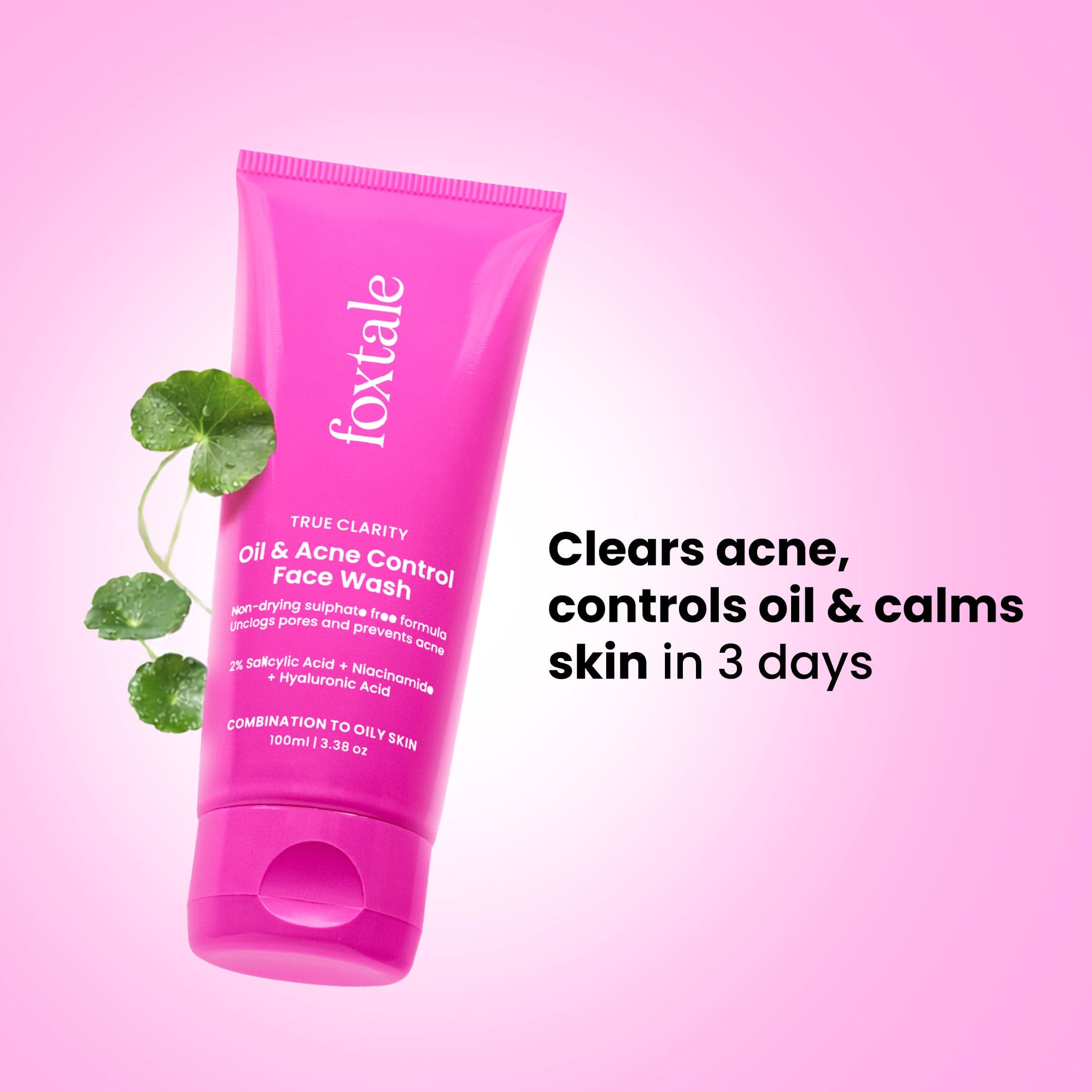
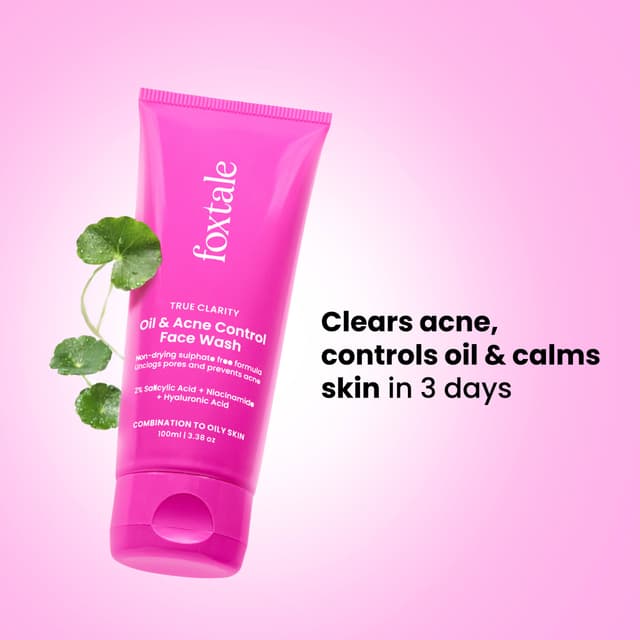
A BHA rinse-off cleanser with Salicylic Acid at a brand-confirmed 2% - the maximum permitted for leave-on cosmetics in India and the EU, which makes this a potent rinse-off formula. Niacinamide at a brand-confirmed 1% assists with sebum regulation and anti-inflammation. Four forms of hyaluronic acid (Crosspolymer, standard, Acetylated, and Hydrolysed) address hydration at multiple skin depths, offsetting the drying potential of the BHA. Centella Asiatica Extract (Cica) provides anti-inflammatory support. The formula uses a mild taurate-based surfactant system with Cocamidopropyl Hydroxysultaine - less harsh than SLS/SLES alternatives. Contains CI 14720, a synthetic azo dye that may cause reactions in aspirin-sensitive individuals. Allergen Free Fragrance present.
₹249 · ₹2/ml • Analysed 11 June 2026
Salicylic Acid is particularly effective for oily, acne-prone skin common in India's tropical climate. The oil-soluble BHA reaches into sebum-blocked pores, making it more effective for blackheads and comedones than water-based cleansers. The 4-form HA system is especially relevant for Indian summers where BHA can cause transient dryness. Use morning or evening, not both - once daily is sufficient for most acne-prone users.
Independent and free. The Clean Sheet takes no money from brands to review, rank, or approve a product. This is a web evidence review, not a Clean Sheet certification. We checked the ingredient list, publicly available test reports, marketing claims, and formula logic using only public information available at the time of review.
Brand-confirmed; consistent with INCI position and max OTC concentration.
Brand-confirmed; complementary sebum-regulating mechanism to SA.
Contains Allergen Free Fragrance (synthetic) and CI 14720 azo dye - not appropriate for the most sensitive skin.
How we read this product across 5 areas. Open any row for the full rationale.
Salicylic Acid at 2% in a rinse-off format is potent but appropriate for acne-prone oily skin - the shorter contact time reduces irritation versus leave-on. Sodium Methyl Cocoyl Taurate and Cocamidopropyl Hydroxysultaine are milder alternatives to SLS. No SLS, no SLES, no parabens. CI 14720 (Red 40) is a synthetic azo dye - safe for most users but cross-reactive in aspirin-sensitive individuals. Allergen Free Fragrance is present. Disodium EDTA as chelator.
2% Salicylic Acid delivers meaningful BHA activity into pores during rinse-off contact time - studies support anti-blackhead and congestion-clearing efficacy. 1% Niacinamide (brand-confirmed) adds sebum-regulating and anti-inflammatory support. The four-form hyaluronic acid system (standard, crosspolymer, acetylated, and hydrolysed) is a genuine formulation differentiator addressing hydration at multiple skin depths, directly countering BHA-associated dryness. Centella Asiatica adds calming support.
Good evidence for stated claims based on public information.
Salicylic Acid at 2% and Niacinamide at 1% are both brand-confirmed on the product page - good transparency for a rinse-off active formula. The four HA forms are disclosed but not individually quantified. CI 14720 azo dye is listed but not called out in marketing materials. Allergen Free Fragrance not prominently disclosed.
“2% Salicylic Acid” Brand-confirmed; consistent with INCI position and max OTC concentration.
“1% Niacinamide” Brand-confirmed; complementary sebum-regulating mechanism to SA.
“Fragrance-free / suitable for sensitive skin” Contains Allergen Free Fragrance (synthetic) and CI 14720 azo dye - not appropriate for the most sensitive skin.
No published clinical data for this specific formula. 2% SA and 1% Niacinamide concentrations are disclosed. Salicylic acid's anti-acne mechanism in rinse-off format is established in dermatological literature, though not specific to this product.
2% Salicylic Acid and 1% Niacinamide are clearly communicated. The four-form HA system is highlighted on the product page as a differentiator. CI 14720 azo dye is not called out in consumer-facing materials. Allergen Free Fragrance not explained as synthetic fragrance.
| Ingredient |
|---|
Aqua |
Sodium Methyl Cocoyl Taurate |
Cocamidopropyl Hydroxysultaine |
Cocamidopropyl Betaine |
Acrylates Copolymer |
Coco-Glucoside |
Glyceryl Oleate |
PEG-7 Glyceryl Cocoate |
Propanediol |
Glycerin |
Salicylic Acid |
Betaine |
Sodium Cocoyl Isethionate |
Disodium Cocoyl Glutamate |
Phenoxyethanol |
Ethylhexylglycerin |
Niacinamide |
Castoryl Maleate |
Centella Asiatica Extract |
Sodium Hyaluronate Crosspolymer |
Sodium Hyaluronate |
Sodium Acetylated Hyaluronate |
Hydrolyzed Sodium Hyaluronate |
Pentylene Glycol |
Acrylates/C10-30 Alkyl Acrylate Crosspolymer |
Disodium EDTA |
Sodium Hydroxide |
Allergen Free Fragrance |
CI 14720 |
INCI order as declared on packaging. Position reflects approximate concentration (high to low).
No banned substances; Allergen Free Fragrance formulated to exclude 26 EU-listed allergens per Regulation 2023/1545
No flagged substances
No flagged substances
No flagged substances
No flagged substances
No flagged substances
No flagged substances
No flagged substances
No flagged substances
No flagged substances
Flags are based on publicly available INCI only. Not a substitute for full regulatory compliance review.
Brand-confirmed; consistent with INCI position and max OTC concentration.
Evidence visible
Brand-confirmed; complementary sebum-regulating mechanism to SA.
Evidence visible
Contains Allergen Free Fragrance (synthetic) and CI 14720 azo dye - not appropriate for the most sensitive skin.
Missing
Public evidence the brand could provide to close verification gaps
A well-formulated BHA cleanser with dual confirmed actives and a sophisticated four-form hyaluronic acid hydration system. The 2% SA + 1% Niacinamide combination is appropriate for Indian oily-acne skin. The CI 14720 azo dye serves no skin benefit and introduces allergen risk for sensitive users.
Are you the brand? If you have published test data or want to request a re-review, write to us at hello@thecleansheet.in.
How we read this product across 5 areas. Open any row for the full rationale.
Salicylic Acid at 2% in a rinse-off format is potent but appropriate for acne-prone oily skin - the shorter contact time reduces irritation versus leave-on. Sodium Methyl Cocoyl Taurate and Cocamidopropyl Hydroxysultaine are milder alternatives to SLS. No SLS, no SLES, no parabens. CI 14720 (Red 40) is a synthetic azo dye - safe for most users but cross-reactive in aspirin-sensitive individuals. Allergen Free Fragrance is present. Disodium EDTA as chelator.
2% Salicylic Acid delivers meaningful BHA activity into pores during rinse-off contact time - studies support anti-blackhead and congestion-clearing efficacy. 1% Niacinamide (brand-confirmed) adds sebum-regulating and anti-inflammatory support. The four-form hyaluronic acid system (standard, crosspolymer, acetylated, and hydrolysed) is a genuine formulation differentiator addressing hydration at multiple skin depths, directly countering BHA-associated dryness. Centella Asiatica adds calming support.
Good evidence for stated claims based on public information.
Salicylic Acid at 2% and Niacinamide at 1% are both brand-confirmed on the product page - good transparency for a rinse-off active formula. The four HA forms are disclosed but not individually quantified. CI 14720 azo dye is listed but not called out in marketing materials. Allergen Free Fragrance not prominently disclosed.
“2% Salicylic Acid” Brand-confirmed; consistent with INCI position and max OTC concentration.
“1% Niacinamide” Brand-confirmed; complementary sebum-regulating mechanism to SA.
“Fragrance-free / suitable for sensitive skin” Contains Allergen Free Fragrance (synthetic) and CI 14720 azo dye - not appropriate for the most sensitive skin.
No published clinical data for this specific formula. 2% SA and 1% Niacinamide concentrations are disclosed. Salicylic acid's anti-acne mechanism in rinse-off format is established in dermatological literature, though not specific to this product.
2% Salicylic Acid and 1% Niacinamide are clearly communicated. The four-form HA system is highlighted on the product page as a differentiator. CI 14720 azo dye is not called out in consumer-facing materials. Allergen Free Fragrance not explained as synthetic fragrance.
Oil & Acne Control Face Wash is in Good Standing with The Clean Sheet: broadly sound, with only minor gaps such as a claim that is plausible but not publicly proven. A BHA rinse-off cleanser with Salicylic Acid at a brand-confirmed 2% - the maximum permitted for leave-on cosmetics in India and the EU, which makes this a potent rinse-off formula. Niacinamide at a brand-confirmed 1% assists with sebum regulation and anti-inflammation. Four forms of hyaluronic acid (Crosspolymer, standard, Acetylated, and Hydrolysed) address hydration at multiple skin depths, offsetting the drying potential of the BHA. Centella Asiatica Extract (Cica) provides anti-inflammatory support. The formula uses a mild taurate-based surfactant system with Cocamidopropyl Hydroxysultaine - less harsh than SLS/SLES alternatives. Contains CI 14720, a synthetic azo dye that may cause reactions in aspirin-sensitive individuals. Allergen Free Fragrance present.
Our verdict is "Good Standing". A well-formulated BHA cleanser with dual confirmed actives and a sophisticated four-form hyaluronic acid hydration system. The 2% SA + 1% Niacinamide combination is appropriate for Indian oily-acne skin. The CI 14720 azo dye serves no skin benefit and introduces allergen risk for sensitive users.
We checked 3 on-pack claims: 2 of 3 are publicly supported, 1 is not publicly supported. For example, "2% Salicylic Acid" — publicly supported.
No. Oil & Acne Control Face Wash contains synthetic fragrance (Parfum) in its ingredient list — worth noting if you have sensitive or fragrance-reactive skin.
Oil & Acne Control Face Wash retails for ₹249 in India. It targets acne, excess oil, blackheads, congested pores.